
World Hepatitis Day 2024: It’s Time For Action

The Philippines continues its battle towards eliminating Hepatitis. Based on the Philippine Council for Health Research and Development (DOST-PCHRD), 12%-16% of the Philippine population is infected with hepatitis B. The numbers of infected Filipinos continue to rise because many hepatitis B carriers are not aware of their condition, and they tend to transfer the disease to family members.
The Philippines joins the rest of the world in the observance of World Hepatitis Day 2024 on July 28, 2024. With the national theme, “It’s time for action”, everyone is urged to take charge of one’s health and be proactive in dealing with viral hepatitis.
What is hepatitis?

Hepatitis is defined by the World Health Organization (WHO) as “an inflammation of the liver that is caused by a variety of infectious viruses and noninfectious agents leading to a range of health problems, some of which can be fatal.”
While all the hepatitis strains cause liver disease, they vary in transmission, severity, preventive measures, and geographical distribution. The two most common types of hepatitis are B and C, which have been linked to chronic diseases including cirrhosis and liver cancer in hundreds of millions of people worldwide. According to the WHO, liver cancer is one of the leading causes of cancer deaths in the Philippines.
What are the different types and causes of hepatitis?

There are five strains of the hepatitis virus, namely types A, B, C, D, and E – all of which cause liver disease. Healthline has these definitions for the following strains:
- Hepatitis A is an acute infection transmitted through exposure to the hepatitis A virus (HAV) in food or water.
- Hepatitis B can be an acute or chronic condition, due to contact with the hepatitis B virus (HBV) in bodily fluids (e.g. blood, vaginal secretions, or semen).
- Hepatitis C is a long-term bloodborne viral infection from the hepatitis C virus (HCV) in body fluids.
- Hepatitis D is a rare strain in conjunction with hepatitis B infection. It is caused by contact with blood infected with hepatitis D virus (HDV).
- Hepatitis E is a waterborne viral infection resulting from exposure to the hepatitis E virus (HEV). It usually occurs in areas with poor sanitation.
What are the symptoms of hepatitis?
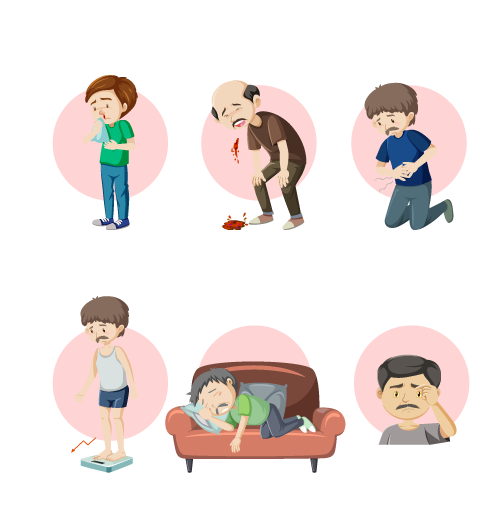
Individuals with acute hepatitis may feel the symptoms after contracting the hepatitis virus. However, people with chronic forms of hepatitis, like hepatitis B and C, may not experience symptoms until it is too late and the liver function has already been affected.
The following are common symptoms of hepatitis based on Healthline:
- flu-like symptoms
- abdominal pain
- fatigue
- dark urine
- pale stool
- loss of appetite
- unexplained weight loss
- jaundice
How is hepatitis diagnosed?

Your doctor may request a series of tests to diagnose your condition which may include:
- History and physical exam
- Liver function tests
- Blood tests
- Ultrasound
- Liver biopsy
How is hepatitis treated?
- Hepatitis A may not require treatment. However, if the patient experiences discomfort, vomiting, or diarrhea, the doctor may recommend bed rest and a dietary program.
- Acute hepatitis B has no specific treatment program while chronic hepatitis B may need antiviral medications and regular medical evaluations to check if the virus is responding to treatment.
- Acute and chronic hepatitis C are treated with antiviral medications. However chronic hepatitis C may need several antiviral drug therapies. Patients who develop cirrhosis due to chronic hepatitis C may be in line for a liver transplant.
- Hepatitis D can be treated with pegylated interferon alpha according to the WHO. However, this medication can have severe side effects, so it is not recommended for patients with cirrhosis liver damage, autoimmune diseases, and psychiatric conditions.
- Hepatitis E is usually acute and may resolve on its own. The doctor may advise the patient to drink plenty of fluids, eat a balanced diet, rest, and avoid alcohol.
What are the tips to prevent hepatitis?

Here are some preventive measures to protect yourself and your loved ones from hepatitis.
- Get vaccinated – There are available vaccines that can safeguard you from hepatitis A & B. The WHO recommends that the Philippines intensify its hepatitis B immunization for infants and adults. Current statistics show that only 50 percent of newborn infants receive the hepatitis B birth dose within 24 hours after birth. Three vaccines are typically administered over the first 6 months of childhood. Individuals who have completed their immunization schedule may be protected from the disease for at least 20 years or longer. Getting vaccinated against hepatitis B can help prevent hepatitis D. There are no current vaccines to shield against hepatitis C and E.
- Reduce exposure – Certain hepatitis viruses can be transmitted through exposure to contaminated food, water, and bodily fluids. Always practice good hygiene and be careful when traveling to a country with high cases of hepatitis. When traveling, it’s best to avoid local water, ice, and raw or undercooked foods. You can reduce exposure to hepatitis B, C, and D by not sharing personal things like toothbrushes, razors, and needles.
- Improve awareness – Spreading awareness about hepatitis will urge more people to embrace countermeasures to avoid infection, get tested, or seek treatment if needed. People who are not aware that they have hepatitis may unwittingly infect other individuals.
Take action against hepatitis
Hepatitis is a serious health concern, but some hepatitis viruses can be preventable. By getting vaccinated, reducing exposure, and raising awareness, you can help prevent the spread of hepatitis. This World Hepatitis Day, commit to take action!