
Understanding the Role of Antioxidants in Your Health
Imagine a comic book battle between good and bad. In this case, the good guys are the antioxidants, being superheroes like Darna, Captain Barbel, and Lastikman. Their job? To protect the body’s innocent citizens – our cells – from the harmful excessive free radicals
What are antioxidants and free radicals?
According to Healthline, antioxidants are molecules that combat free radicals in your body. Keep in mind that antioxidants are not a specific substance – the term antioxidant is more of a description of how these molecules behave.
Free radicals are unstable molecules that can be harmful to your health at high levels, contributing to aging and diseases such as Diabetes, heart disease, and Cancer. Free radicals do not have a full complement of electrons, so they steal electrons from other molecules, damaging them in the process.
Antioxidants fight free radicals by giving up part of their electrons. By doing so, antioxidants neutralize free radicals, almost like “turning them off” which reduces their reactivity, thus, preventing them from harming other molecules and other cells in the body.
What happens when free radicals outnumber antioxidants?
An imbalance between free radicals and antioxidants – especially when the former outnumbers the latter – can lead to a state called oxidative stress. Prolonged oxidative stress can damage your DNA and other significant molecules in your body, and even result in cell death.
According to WebMD, oxidative stress is linked to health conditions such as hypertension, atherosclerosis, stroke, and heart failure. Furthermore, damage to your DNA may result in inflammation and increase your risk of lifelong diseases such as Diabetes, cardiovascular diseases, neurodegenerative diseases, and certain types of Cancer.
Excessive free radical formation may be triggered by stress, lifestyle, or environmental factors. Here are some examples:

Air pollution

Toxins
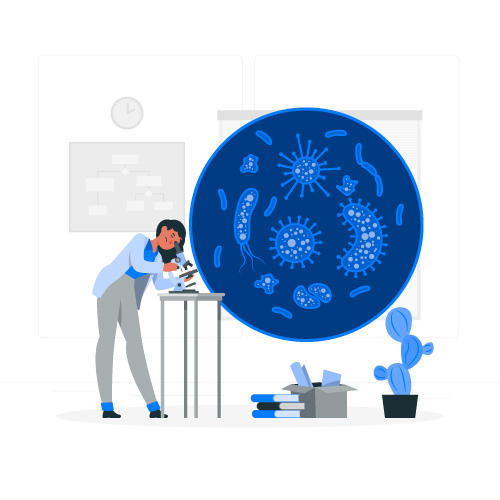
Bacterial, fungal,
or viral infections
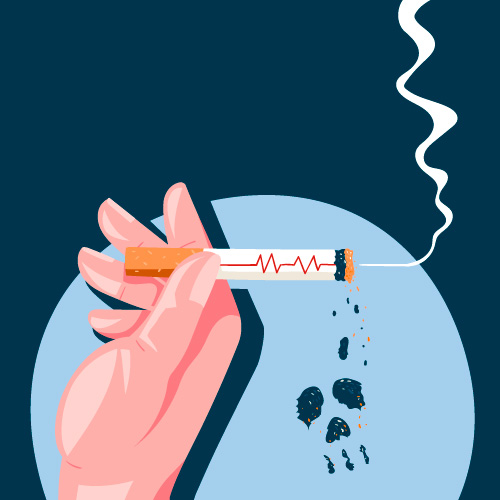
Cigarette smoke
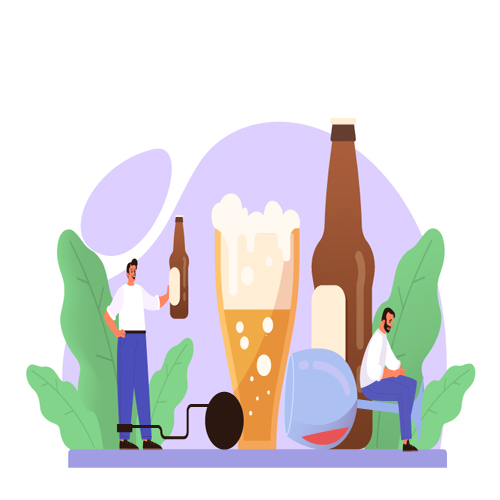
Alcohol intake

Excessive intake of Iron,
Magnesium, Copper, or Zinc
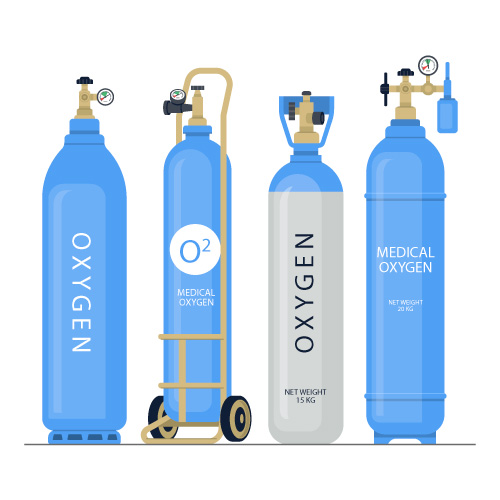
Too much or insufficient oxygen
in your body

High blood sugar levels
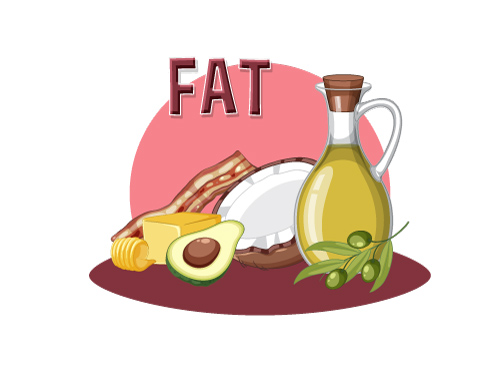
High intake of
polyunsaturated fatty acids

Radiation
including excessive sun athing
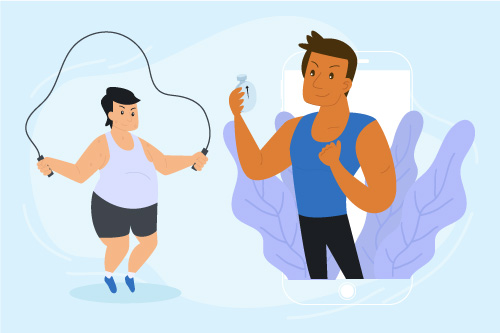
Intense and prolonged exercise,
resulting in tissue damage
Excessive intake of
antioxidant supplements,
including vitamins C and E
Antioxidant deficiency
Why are antioxidants important to your health?
Antioxidants safeguard your body from excessive free radicals that can damage your cells. Antioxidants are like mini superheroes that fight and control free radicals inside your body, thus preventing or reducing the effects of heart disease, cancer, and other lifestyle diseases.
What are the sources of antioxidants?
Based on Harvard Health Publishing, free radicals are constantly being formed in the body, so you need an adequate supply of antioxidants to deprive them of power. Mother Nature has designed the body to naturally produce some powerful antioxidants, including alpha lipoic acid and glutathione.
Antioxidants are also present in many foods that you eat. Healthline shares these 14 popular foods that are high in antioxidants:
- Dark chocolate – Antioxidants contained in cocoa and dark chocolate have been linked to reduced risk factors of heart disease and decreased inflammation.
- Pecans – This type of nut contains a high number of antioxidants and is a good source of healthy fats and minerals.
- Blueberries – The antioxidants in blueberries, particularly anthocyanins, have been shown to lower both LDL cholesterol levels and blood pressure, as well as lower the risk factors of heart disease.
- Strawberries – These sweet, red berries are rich in vitamin C and have the same antioxidant benefits as blueberries.
- Artichokes – These vegetables are a great source of minerals, dietary fiber, and antioxidants, especially chlorogenic acid, which have been shown to reduce the risk factors of type 2 diabetes, heart disease, and certain cancers.
- Goji berries – The antioxidant Lycium barbarum polysaccharides in goji berries is linked to reduced risk factors of heart disease and certain cancers.
- Raspberries – They are packed with vitamin C, dietary fiber, and manganese which may decrease inflammation and lower the risk factors of heart disease and certain cancers.
- Kale – These leafy greens are rich in antioxidants, calcium, and vitamins A, K, and C.
- Red cabbage – Its high vitamin C content may help keep the skin firm and strengthen the immune system. It is also packed with vitamins K and A. Red cabbage also contains the antioxidant anthocyanins, which may decrease inflammation and lower the probability of heart disease and certain cancers.
- Beans – They contain kaempferol, an antioxidant that may help reduce chronic inflammation and restrain cancer growth. Beans are also high in fiber, folate, Potassium, and Iron.
- Beets – Eating beets, also known as beetroot, is good for smooth digestion and gut health. They are particularly rich in iron, folate, fiber, and potassium. Studies show that it contains the antioxidant betalain which may lower the risk of colon and digestive tract cancers.
- Spinach – Eating spinach is good for you because it is loaded with antioxidants, especially lutein and zeaxanthin, that may help protect your eyes from harmful ultraviolet light and other damaging light wavelengths. Spinach is also low in calories.
- Spices and herbs – Adding spices like ginger, garlic, and turmeric, as well as herbs like parsley, rosemary, and sage to your food can help reduce oxidative stress. Some specific herbs and spices can lower the risk factors of heart disease, high blood pressure, kidney disease, and diabetes.
- Okra – Don’t underestimate this humble vegetable because it is full of nutrients including vitamins C, K1, and A, fiber, folate, and magnesium. It also contains antioxidants that may help reduce blood pressure and high cholesterol, as well as promote brain and heart health.
Drinks such as cocoa, green tea, acai juice, and pomegranate juice are also high in antioxidants.
Antioxidant supplements can contribute to optimal health but remember that more is not always better. Consult your doctor for a proper dose.
Conclusion
There is a constant battle inside our bodies: the fight between the unstable molecules – free radicals, and the superhero molecules – antioxidants. Antioxidants neutralize free radicals to prevent them from damaging the body’s cells and defend it from chronic diseases.
Maintaining a balance between free radicals and antioxidants is crucial to your health. While your body produces some antioxidants naturally, you can also get a powerful boost by consuming foods and drinks rich in antioxidants.