Overexposure to the Sun:
Don't let summer scorch turn your fun into ouch!
“Nakakapaso ang init ng araw!” is probably one of the understatements of the year. Pero kahit matindi ang init at masakit sa balat, hindi papapigil ang mga Pinoy na mag summer outing.
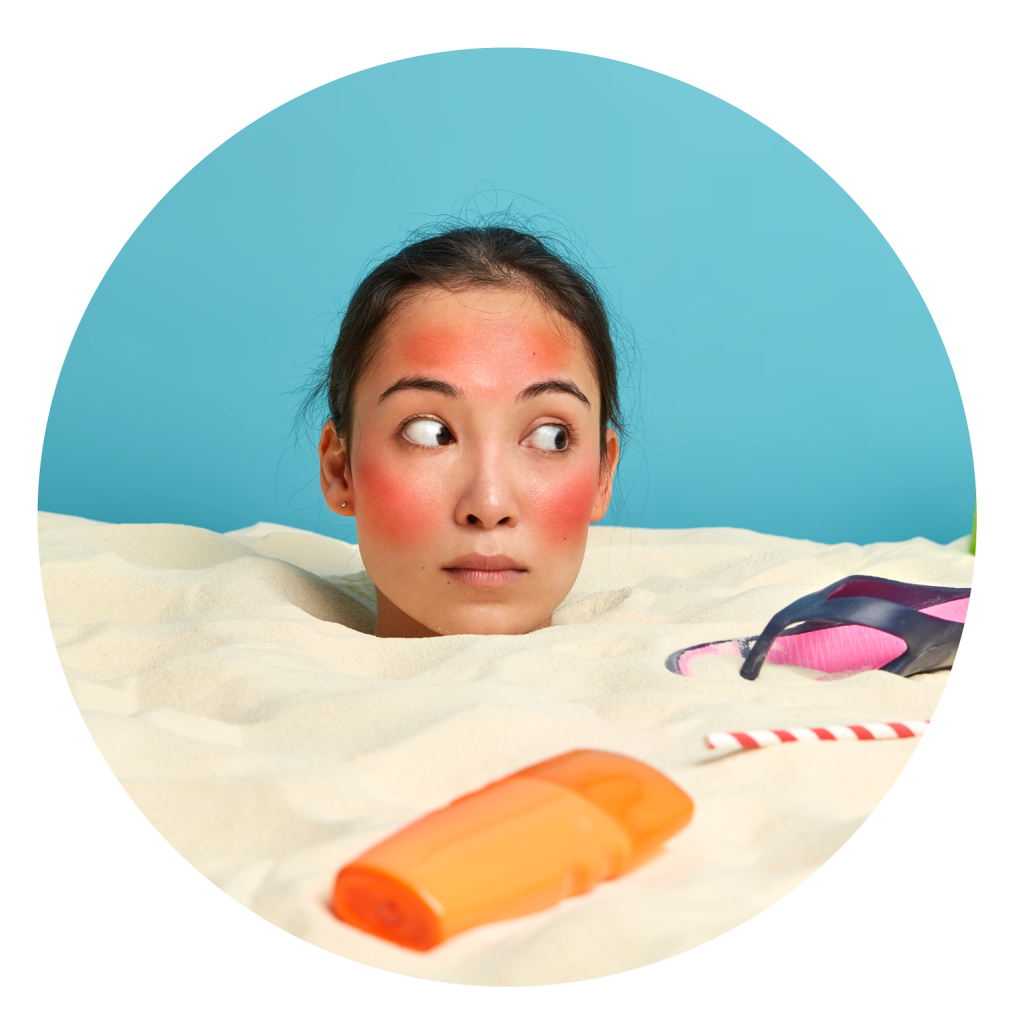
Alexa, 26 years old, spent 4 days island-hopping in Caramoan this summer with her family. She carefully planned her OOTD including tube dresses, spaghetti strap tops, matching shorts, and backless summer dresses to achieve a sunkissed look. But Alexa forgot to balance enjoyment with protection, changing to various outfits but forgetting to reapply sunblock. The beauty of the islands was undeniable and her photos turned out great, but she went home with a souvenir she didn’t want. From sunkissed to sunburned, certain areas of her neck, back, arms, and legs were inflamed, painful, and felt warm to the touch.
How Overexposure to the Sun Can Affect Your Health
Keep in mind that too much exposure to the sun’s ultraviolet (UV) rays can damage your skin in several ways. Here are some of the key effects:
Sunburn – It is the most common and immediate effect of prolonged sun exposure. According to Mayo Clinic, UV rays damage the skin’s cells, causing redness, inflammation, pain, and blistering. It typically appears within a few hours of sun exposure, but the worst of the pain and swelling might not hit until 12-24 hours later.
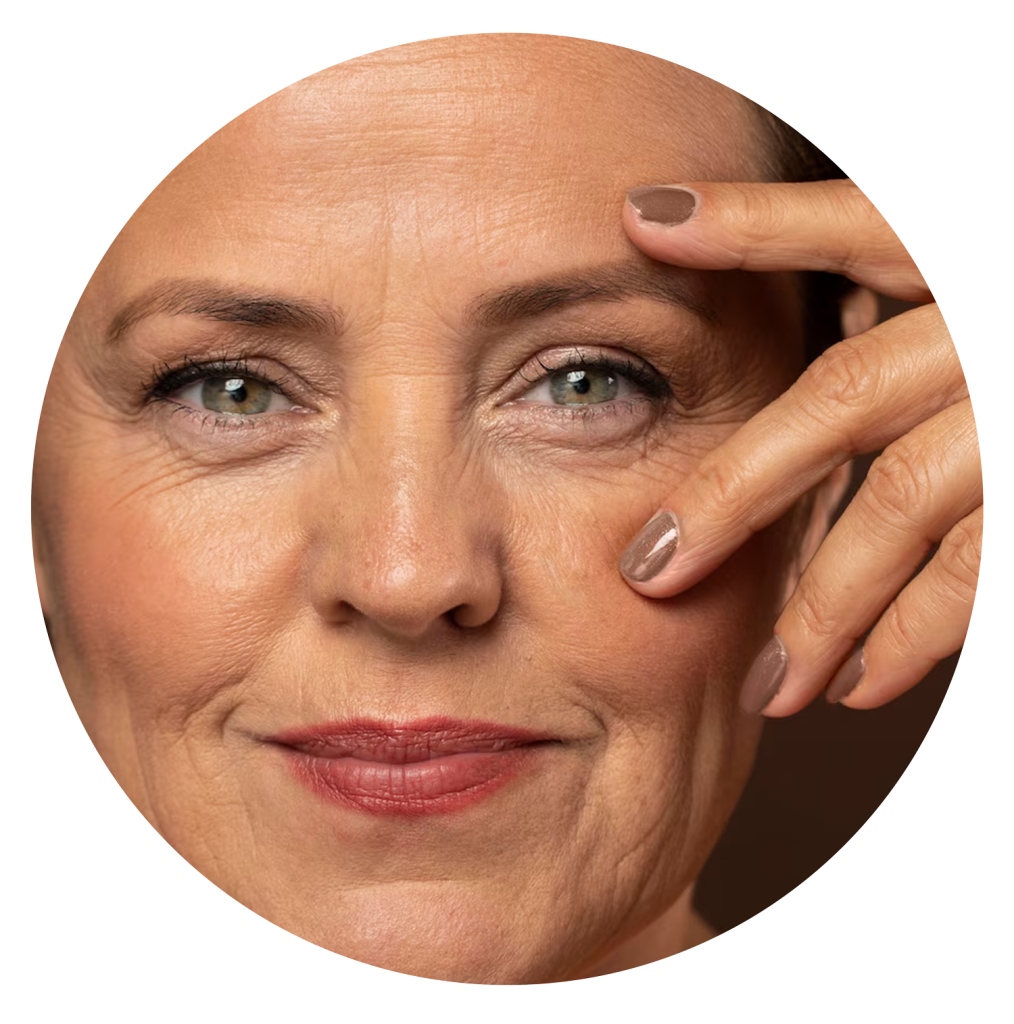
Premature aging – UV rays break down the skin’s collagen and elastin, which are the fibers that keep skin firm and youthful. This can lead to wrinkles, sagging, and leathery skin. Yale Medicine also refers to this type of sun damage as photoaging, photodamage, and solar damage.
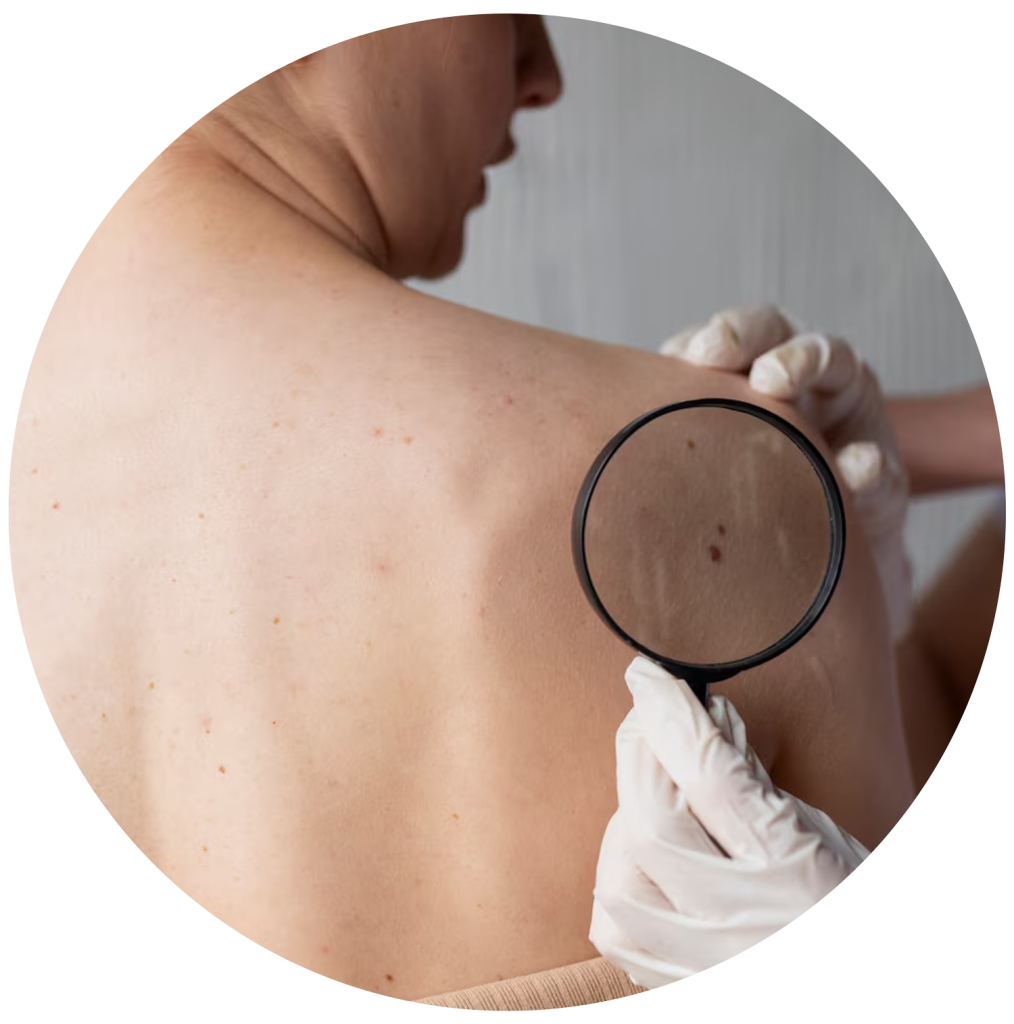
Increased risk of skin cancer – While the Philippines has a lower reported incidence of skin cancer compared to the US and other countries, it doesn’t mean there’s no risk. UV rays can damage the DNA in skin cells, which can lead to mutations that cause cancer.
Eye Damage – Overexposure to UV rays can damage the cornea (outermost layer of the eye) causing photokeratitis (welder’s flash), increasing the risk of cataracts, clouding the lens, and hindering vision based on Cleveland Clinic.
Sun Protection Slogan: Slip, Slap, Slop, Wrap
Sun safety habits can help protect you from the sun’s damaging effects. Keep this catchy phrase in mind to safeguard you from the sun’s fierce rays.
Slip on a loose-fitting, long-sleeved shirt and pants which can help block UV rays. The more skin you cover, the less exposure you have to UV rays. Loose-fit clothing means breathability, keeping you cool and allowing for better air circulation. The fabric choice also matters. For instance, densely woven fabrics like denim, canvas, or certain synthetics offer more UV protection compared to thin, loosely woven materials. Choosing light-colored clothing might offer a slight edge. Light colors like white or light blue reflect most of the sunlight, including the invisible heat waves, away from your body compared to black and other dark-colored clothing that absorbs more heat.
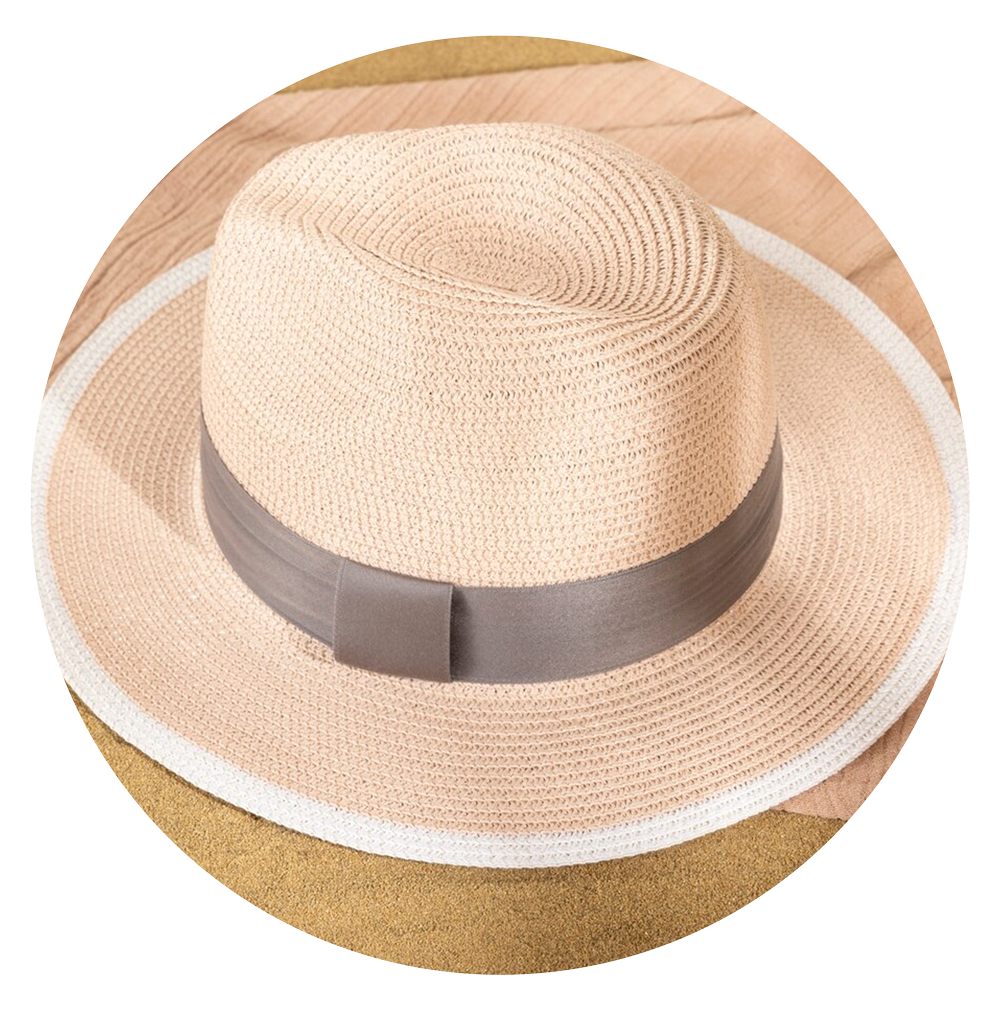
Slap on a wide-brimmed hat. The wider the brim, the more shade it casts on areas that are susceptible to sunburn such as your face, neck, ears, and parts of your shoulders. In addition, a wide-brimmed hat can also shield your eyes from the sun’s direct rays, reducing glare and improving your vision outdoors.
Slop on a broad-spectrum sunscreen with a Sun Protection Factor (SPF) 30 or higher on exposed skin. Sunscreen is your best friend so remember to apply generously and reapply every two hours, or more frequently if you are sweating or swimming. Don’t neglect your ears, neck, and the top of your feet. For lip protection, choose a lip balm or lipstick with SPF 30 or higher. Reapply your lip sunscreen every two hours, especially after eating and drinking.
Seekshade, especially during peak hours between 10 am and 4 pm when the sun’s rays are at their strongest. Beat the midday sizzle by taking cover to prevent sun damage.
Slide on sunglasses that block UVA and UVB rays, invisible to the naked eye but damaging to your eyes. Sunglasses also help reduce glare, improving visual comfort and making it easier to see details outdoors, especially when driving or spending time on reflective surfaces like water. Furthermore, wearing sunglasses with a larger frame can provide shade for the delicate skin around your eyes prone to sunburn and premature aging.
Make sun protection a habit
These simple sun safety habits can contribute to healthy skin and eyes and overall comfort while enjoying the outdoors.