
Is a Plant-based Diet for You?
Exploring its Benefits and Challenges
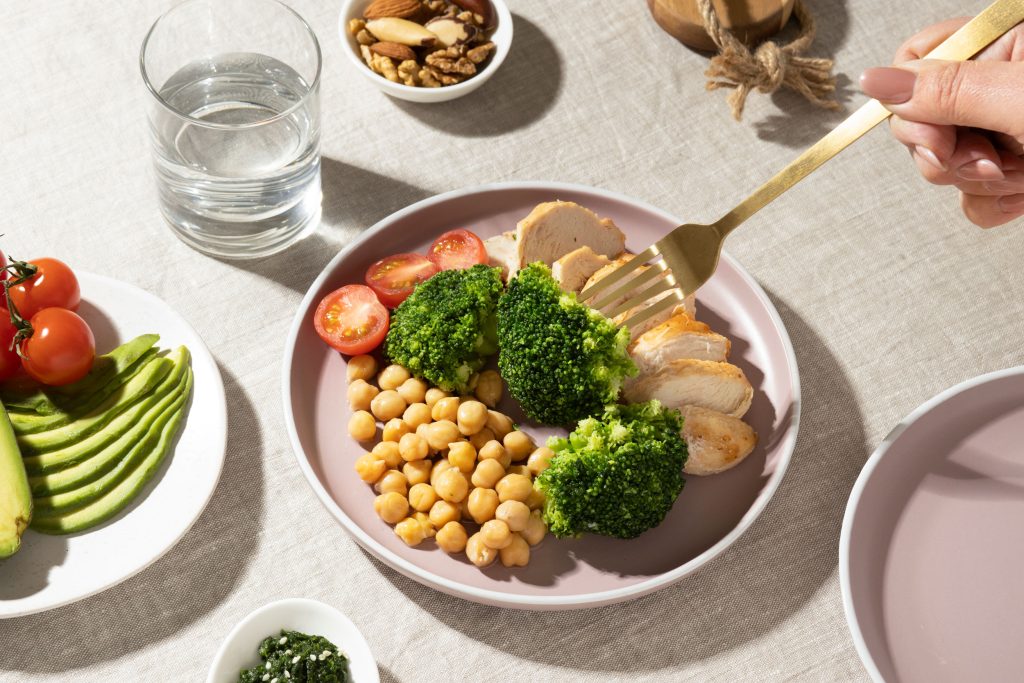
Growing up with easy access to health and wellness information at their fingertips has driven many young adults, such as Millennials and Gen Zs, to make informed decisions about their diet and exercise. Health-conscious generations are paving the way toward a more plant-based way of eating, and they are influencing other generations to follow their lead. They use social media platforms to share their plant-based diet experiences, photos, and recipes, inspiring more people to explore plant-derived food options. A few examples of Filipino personalities who have embraced a plant-based diet are Angie Mead King, Joey Mead King, Maxene Magalona, Geneva Cruz, and Nadine Lustre. The popularity of plant-based diets has not only captured the attention of health enthusiasts but animal welfare advocates as well.
Are you thinking of starting a plant-based diet? Perhaps you have heard of the health benefits, have been influenced by a friend or relative, feel strongly for animal welfare, environmental implications, or a combination of these. Whatever your reasons are for going plant-based, you are not alone. More people are embracing this diet. But the big question now is this – is a plant-based diet for you?
What is a Plant-Based Diet?
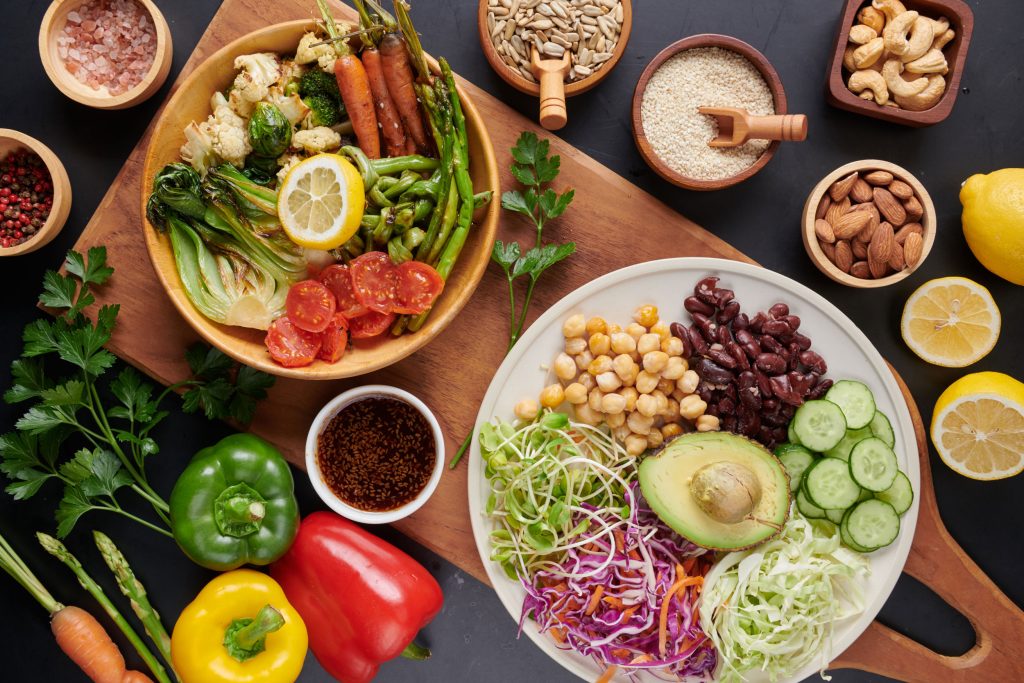
Plant-based diet as the name suggests focuses on food primarily from plants, including fruits, vegetables, whole grains, nuts, seeds, and legumes. A plant-based diet may include limited animal products or exclude animal products altogether.
What are the Advantages of a Plant-Based Diet?
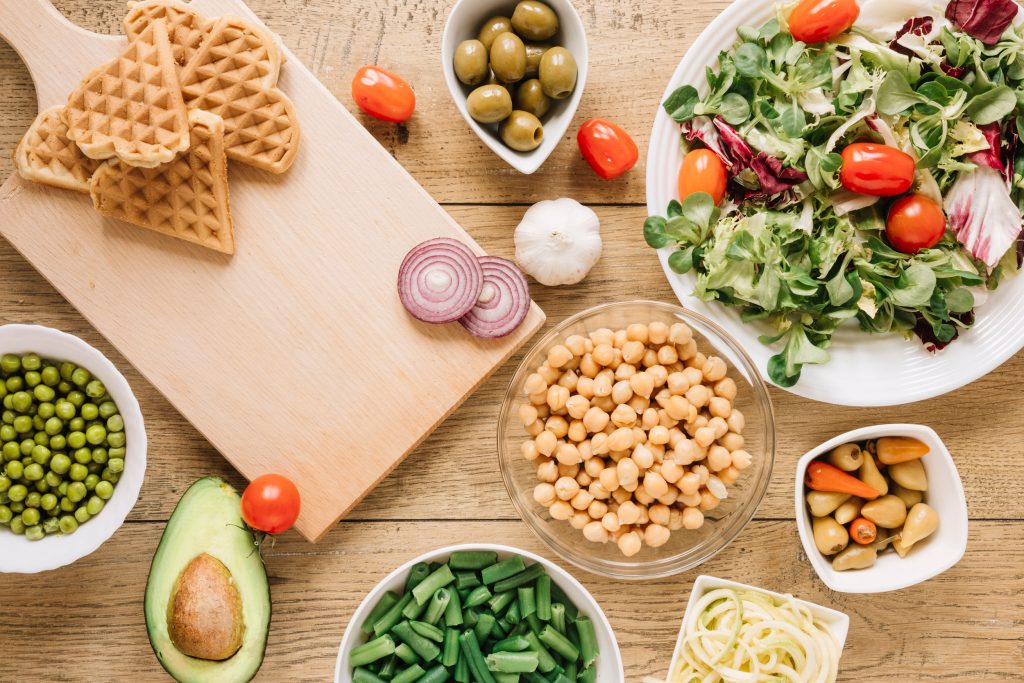
- Nutrient-rich diet – Choosing a plant-based diet loads your body with vitamins, minerals, fiber, and antioxidants.
- Lower disease risk – Research reveals that plant-based diets can lower the risk of obesity, type 2 diabetes, hypertension, heart disease, and certain cancers.
- Weight management – Plant-based diets are packed with fiber and have lower calories and fat, which can aid weight loss or help maintain a healthy weight.
- Environmental-friendly – According to Harvard T.H. Chan, plant-based food options help lower gas emissions. UK studies further show that cutting down on meat and dairy consumption may slow down the impact of heating emissions, land use, and water pollution, thus slowing down the impact of global warming.
- Ethical considerations – Consuming fewer animal products aligns with animal welfare values.
What are the Disadvantages of a Plant-Based Diet?
- Nutrient deficiencies – Maintaining a strict plant-based diet, like what vegans do, need careful planning, otherwise, you might miss out on essential vitamins and minerals from animal-based food.
- Social hurdles – Sometimes it may be challenging to find plant-based options while dining at restaurants or attending gatherings.
- Cost – Certain plant-based meat substitutes (e.g. plant-based nuggets, sausages, burgers, etc.) may be more expensive than real meat.
How to Get Started with a Plant-Based Diet
Take small steps
- * Transitioning to a plant-based diet is not something you do overnight. For a smooth shift, gradually add more vegetables, fruits, whole grains, and other plant-based food to your meals.
- *How about going meat-free for a day of your choice each week (e.g. Meatless Monday)? This is an easier way to adjust your taste and change your habits gradually. You can add more meatless days as you go along.
Explore new tastes
*A plant-based diet doesn’t have to be bland or boring, nor is it limited to steamed vegetables and salads. If you take time to explore, you’ll discover that many cuisines like Asian, Indian, Mediterranean, Mexican, Italian, and more, offer interesting dishes and flavors.
*Don’t be afraid to experiment and be innovative with seasonings and herbs. Sometimes, spicing up a traditional dish can bring out bold and interesting tastes.
*Get inspiration from plant-based advocates such as social media influencers, check out cookbooks, find recipes online, and join a plant-based community group that shares the same goals.
*Be open to trying tasty meat substitutes that may look and taste similar to meat (usually made from tofu, seitan, and tempeh). Meat alternatives are great sources of protein and can help you in your diet transition.
Plan ahead
*When dining out, it’s best to select the restaurant in advance so you can check their menu to see if they have plant-based options.
*At home, prepping your meals weekly will save you time, making cooking more efficient, and helping you stay on track of your plant-based diet goals.
*Consider starting with a clean slate by cleaning out your refrigerator and pantry, and stocking on whole grains, dried fruits, seeds, nuts, lentils, herbs, spices, and healthy oils. Having accessible ingredients at home allows you to cultivate a healthy food environment and to make the transition easier.
In a Nutshell
Whether you want to boost your health, maintain a good weight, be kinder to the environment and animals, or just want to try something new, choosing a plant-based diet can bring positive change.