Hemophilia Awareness:
10 Facts You Should Know About This Bleeding Disorder
The Philippine Council for Health Research and Development (PCHRD) estimates that about 10,000 Filipinos have Hemophilia. To shed light on this condition, here are 10 important facts that you should know about.
1. It is a rare genetic bleeding disorder.
Hemophilia is a rare genetic condition that is usually passed on from mothers. Blood naturally has many proteins called clotting factors that work to stop bleeding. People with Hemophilia have a deficiency in clotting factors, either factor VIII (F8), factor IX (F9), or factor XI (F11). The lower the amount of the clotting factor, the more severe the Hemophilia, which can lead to serious health issues.
When an individual with Hemophilia suffers damage in the blood vessel due to injury or surgery, the person’s blood is not able to clot properly or repair itself, resulting in excessive bleeding.
2. There is a condition called Acquired Hemophilia.
Although very rare, Hemophilia can be acquired, due to a faulty immune system that triggers it to target and harm the body’s healthy clotting factor proteins, usually factor VIII.
3. There are three main types of Hemophilia.
According to Hemophilia News Today, Hemophilia A and B predominantly affect males because the genes responsible for producing clotting factors VIII and IX are found in the X chromosome. Since males only have one X chromosome, a single mutation can cause Hemophilia.

Hemophilia A
(a.k.a. Classic Hemophilia) - About 1 in 5000 males suffer from Hemophilia A, the most common form of this blood disorder. This type is attributed to a missing or defective factor VIII.

Hemophilia B
(a.k.a. Christmas Disease) - About 1 in 25,000 males has Hemophilia B, a less common type of Hemophilia caused by a missing or mutated factor IX.

Hemophilia C
(a.k.a. Rosenthal Disease or Factor 11 Deficiency) - This rarer form of Hemophilia is caused by the mutation of factor XI which affects both males and females at roughly equal rates.

4. Hemophilia may cause sudden and extensive external bleeding.

Frequent nosebleeds that may occur for no apparent reason
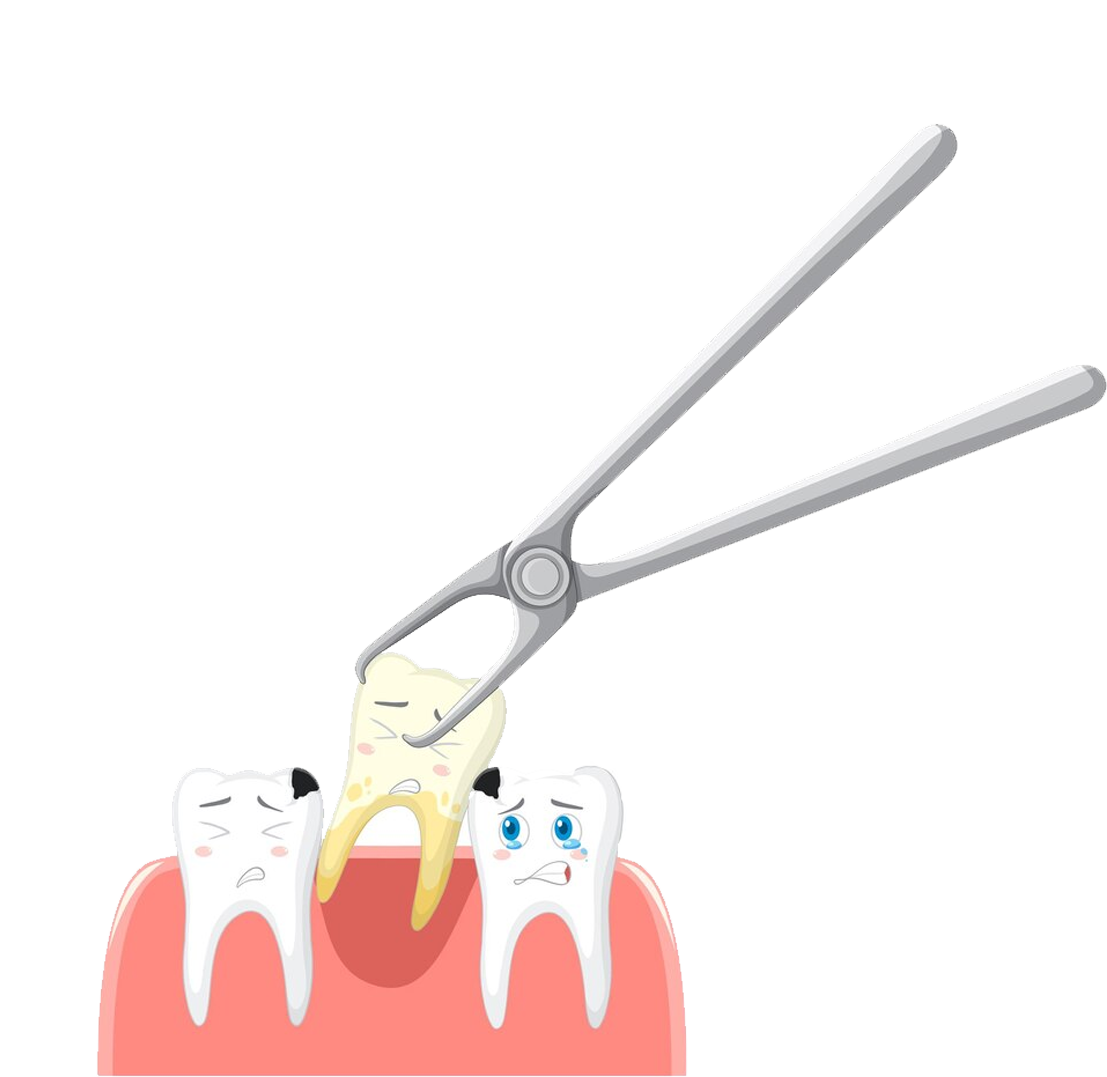
Simple dental procedures like tooth extractions can lead to heavy bleeding
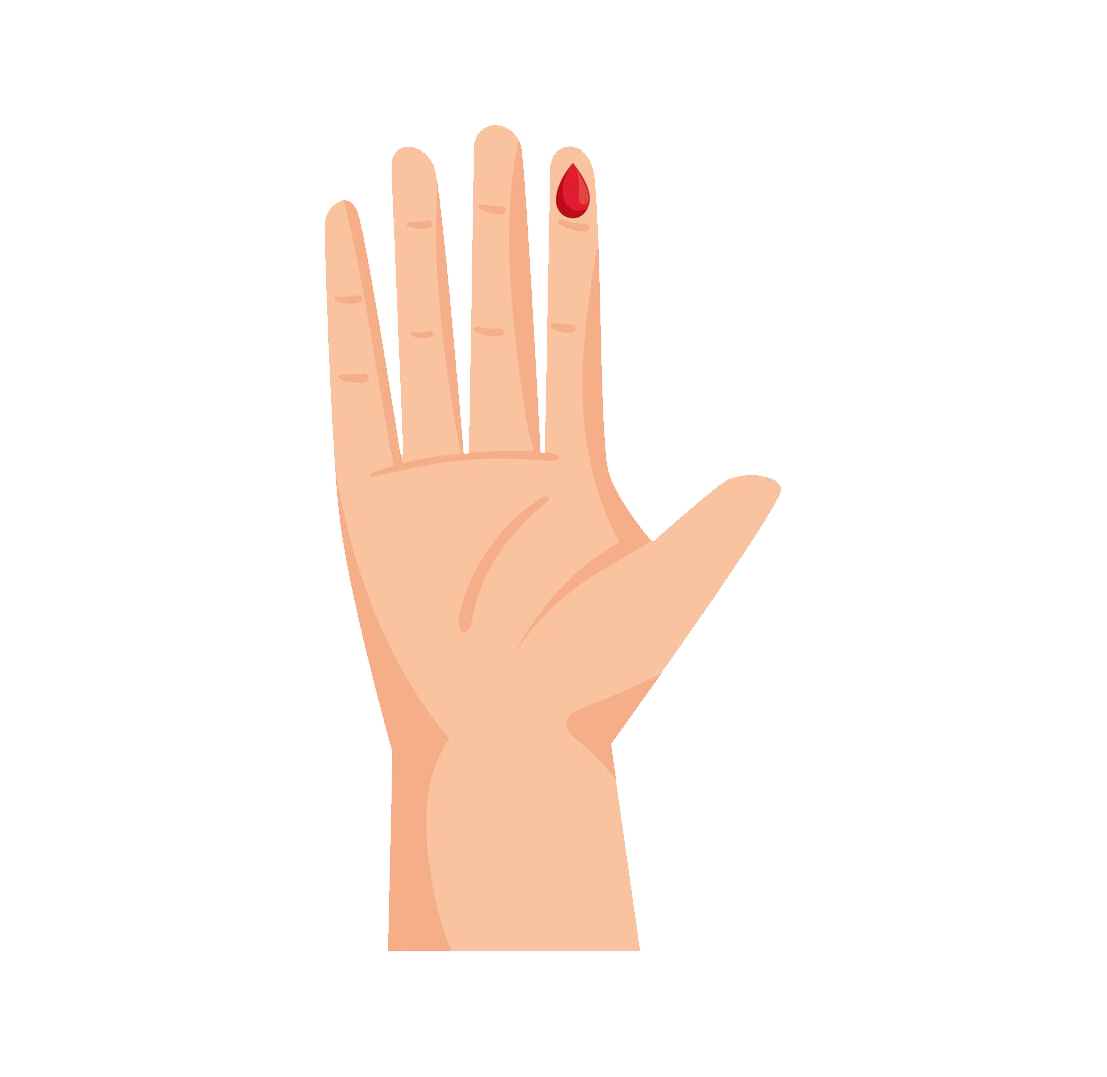
Too much blood loss from small cuts, scrapes, and other minor injuries
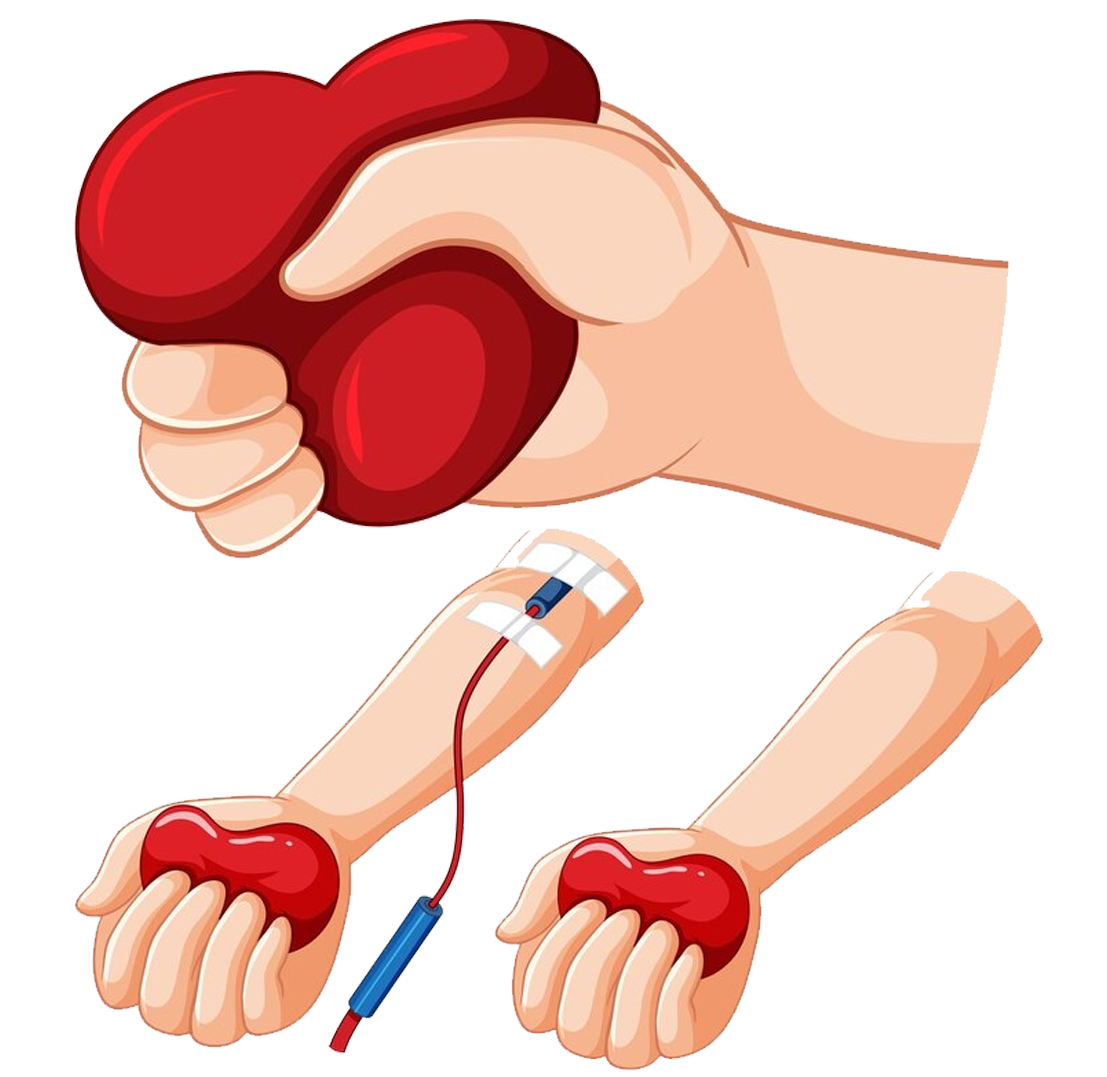
Excessive bleeding following a medical procedure that involves puncturing the skin, such as injections

5. Internal bleeding usually varies by patient.

Frequent unexplained appearance of bruises
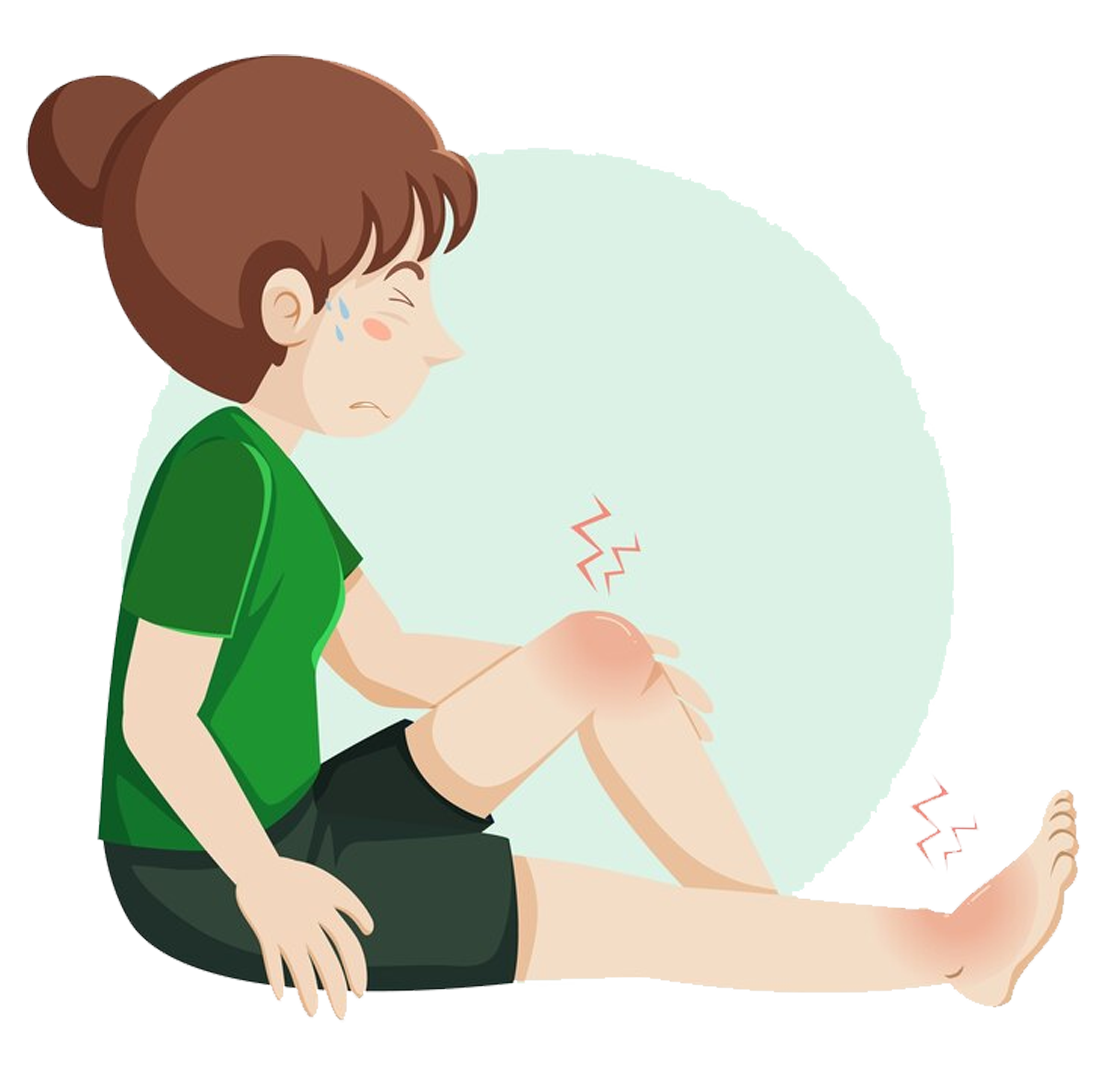
Bleeding inside the joints that causes pain, swelling, and difficulty moving
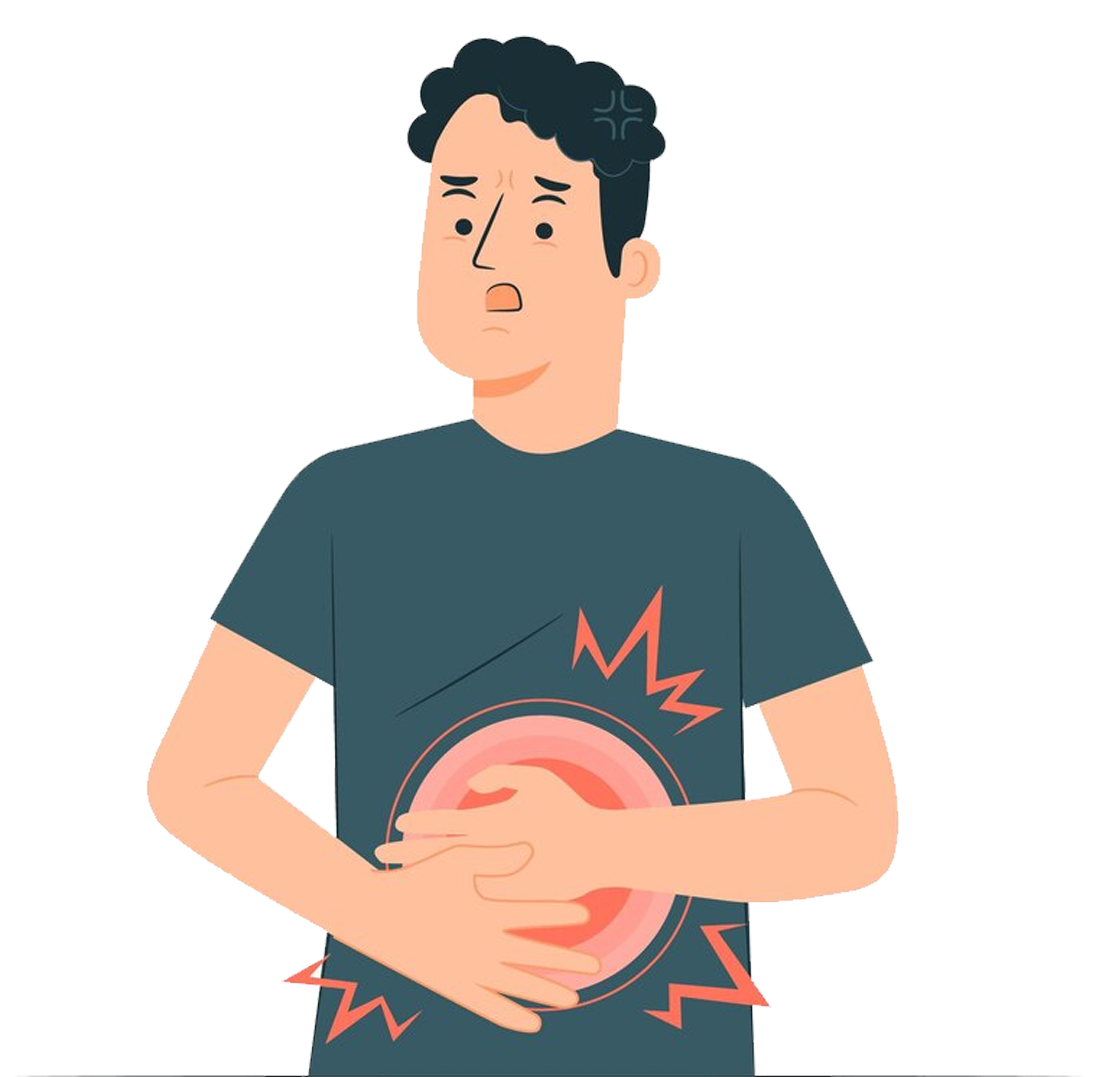
Bleeding in the abdomen that results in intense cramping or discomfort
The presence of blood in urine, stool, or sputum
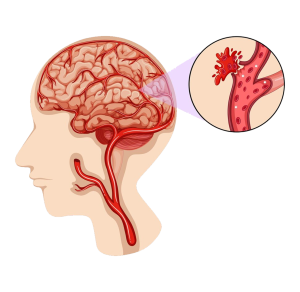
In rare cases, bleeding in the brain can trigger headaches, double vision, weakness on one side of the body, and seizures

6. There is no present cure for Hemophilia.
While there’s no cure for this condition yet, replacement therapy is utilized to replace the deficient clotting factor directly into a vein.
7. Majority of Filipinos struggle to get Hemophilia treatment.
According to the Philippine Council for Health Research and Development or PCHRD, high treatment cost is a huge barrier for many Filipinos with Hemophilia. It is estimated that 75% of the 10,000 Filipinos with Hemophilia lack the resources for proper treatment due to resource limitations.
8. Filipinos with Hemophilia can get support from non-profit organizations.
Organizations such as Hemophilia Advocates-Philippines (HAP) and Hemophilia Philippines (HAPLOS Community) Foundation, Inc. are vital resources for Filipinos with Hemophilia. These non-profit organizations focus on providing immediate support to Hemophilia patients in the Philippines.
9. The Philippines has limited access to Hemophilia care.
According to HAP President, Andrea Trinidad, there are very few hospitals in the country that can treat Hemophilia patients. She said that there are probably more people out there who have Hemophilia but have not been diagnosed due to the following:

High cost of tests

Doctors lack knowledge about Hemophilia

Only big hospitals, mostly private, are capable of hemophilia diagnosis

Many far-flung areas do not have Hematologists
Based on Hemophilia.ph, many Filipinos affected by hemophilia live below the poverty line and have little or no access to healthcare. The high cost of medication, coupled with lack of understanding about the condition, creates a difficult situation for many Hemophilia patients in the country.
10. Living with hemophilia entails taking proactive steps to manage your health.
- Find a Hemophilia Treatment Center (HTC) where you can get personalized treatment plans depending on the type and severity of your condition.
- Learn to recognize the signs and symptoms of your bleeding episodes. Early intervention with clotting factor replacement can help minimize damage.
- Consult your doctor about safe exercises for your condition to strengthen muscles and improve joint health.
- Do not engage in contact sports such as soccer, football, hockey, and wrestling.
- Eat a balanced diet and maintain a healthy weight.
- Wear a Medical Alert Bracelet to inform medical professionals about your Hemophilia in case of an emergency.
- Inform your family, friends, and colleagues about Hemophilia and how they can support you.
- Hemophilia can be emotionally challenging. Don’t hesitate to seek support from Hemophilia groups, therapists, or counselors.
In a nutshell
Hemophilia is a rare genetic condition linked to a life-long challenge of having a bleeding disorder. While injuries of any kind pose a risk, even minor cuts can become serious due to excessive bleeding. Although there’s no cure, advancements like replacement therapy offer hope. Moreso, Hemophilia organizations are dedicated to raising awareness and providing crucial support for people living with this illness. By taking proactive steps, patients can still do their best to cope with their condition.