
Clear vs. Impaired Vision: Why Eye Health Matters
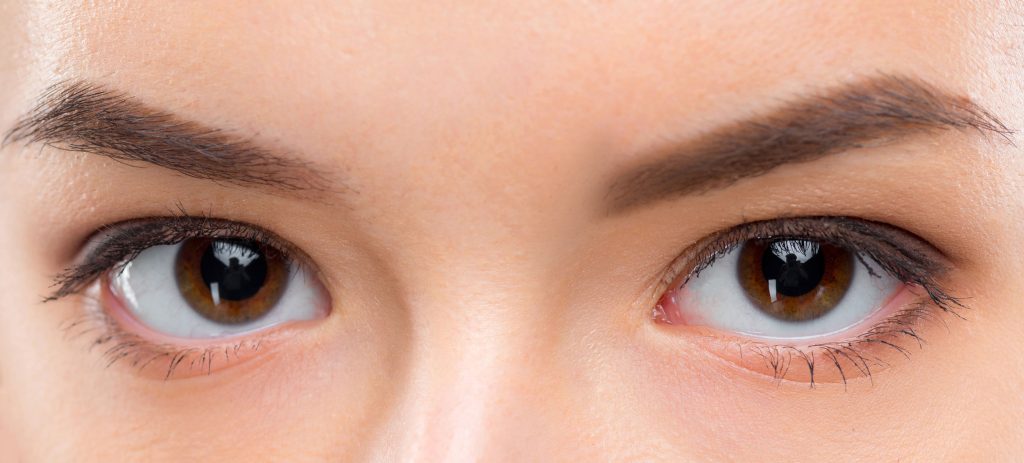
Your vision can have a crucial impact on your life – from your daily activities to your overall well-being. It can influence how you perform basic tasks, navigate your surroundings, and interact with others. With clear vision, you can fully appreciate and experience the world around you, whereas impaired vision can bring many challenges. Here’s a closer look at how having clear or impaired vision affects your day-to-day life.
Are you thinking of starting a plant-based diet? Perhaps you have heard of the health benefits, have been influenced by a friend or relative, feel strongly for animal welfare, environmental implications, or a combination of these. Whatever your reasons are for going plant-based, you are not alone. More people are embracing this diet. But the big question now is this – is a plant-based diet for you?
Benefits of Having Clear Vision
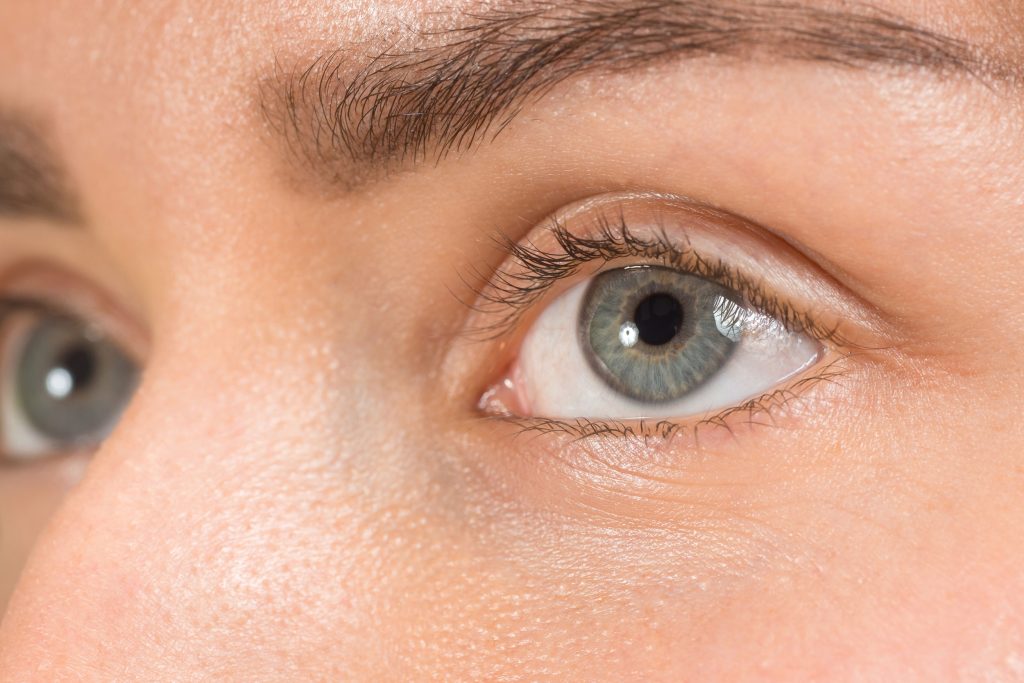
Daily activities – From reading a food product label to cooking a meal, having clear vision can help you perform day-to-day tasks efficiently.
Safety and mobility – Whether walking on the street, crossing the road, or driving, good eyesight enables you to avoid obstacles and hazards with ease, allowing you to safely navigate your environment.
Travel – One of the focal points of traveling is exploring new cities and marveling at stunning sights. You don’t have to venture far because the Philippines is home to many incredible landscapes, beaches, historical landmarks, and other tourist attractions. With good eyesight, you can fully admire the beauty of the Philippines and other countries and immerse yourself in the local culture.
Work & education – Good vision fosters better work performance, from office work, to off-site jobs. It also helps students process information better, engage in classroom activities, and boosts comprehension.
Social interaction – Recognizing nonverbal cues such as facial expressions, can promote stronger social connections.
Mental well-being – Clear vision enables you to appreciate natural beauty in your surroundings, from beautiful flowers in your garden to the endearing face of your loved one.
Challenges of Impaired Vision

Daily activities – Poor eyesight can prevent you from doing daily tasks efficiently and independently, leading to frustration.
Safety and mobility – Impaired vision can make it tough to judge distances, and avoid obstacles, increasing the risk of accidents and limiting your freedom to move.
Travel – Blurry eyesight is a travel bummer because it hinders you from enjoying stunning views, seeing intricate details, and capturing perfect moments on your camera.
Social interaction – Poor eyesight can be a hindrance when it comes to building strong connections. For instance, difficulty deciphering non-verbal cues due to impaired vision may lead to misunderstandings and prevent you from connecting with other people on a deeper level. Struggling with mobility and navigation may result in low self-esteem and a tendency for social isolation.
Work & education – Blurry vision can be a huge job performance challenge, making it difficult to accomplish work goals or limiting job opportunities. Students with poor vision may have difficulty reading textbooks, participating in classroom activities, and fulfilling other school requirements.
Mental well-being – The constant challenges of impaired vision from difficulty achieving goals to social hindrances can increase stress and anxiety.
Promote Healthy Vision
Here are some tips to help you maintain a healthy eyesight:
Live a healthy lifestyle – Eat a balanced diet that is rich in essential vitamins and minerals that support eye health. Eat plenty of fruits, vegetables (especially leafy greens), and food rich in omega-3 fatty acids like fish, which can lessen the risk of age-related eye ailments. In addition, avoid smoking because it increases the risk of certain eye diseases such as dry eye syndrome, cataracts, macular degeneration, and dry eye syndrome.
Schedule regular eye check exams – Comprehensive eye checkups every 1-2 years are vital for detecting vision issues and eye diseases early. People over the age of 60 are recommended to have an annual eye exam. This will enable timely treatment and helps avoid potential eye damage or vision loss.
Know your family history – Be aware of your family history to know about risk factors for certain eye diseases such as glaucoma and macular degeneration. If you have concerns about eye diseases that run in your family, you can discuss them with your ophthalmologist.
Put on protective eyewear – Wear sunglasses to protect your eyes from UV rays when staying outdoors. When dealing with hazardous materials, make sure that you wear protective eyewear to prevent eye injuries.
Maintain healthy screen habits – In this digital age, you’re often in front of a computer, tablet, or smartphone, exposing your eyes to blue light. Prevent digital eye strain by doing the 20-20-20 rule: taking a 20-second break every 20 minutes, shifting your gaze at something 20 feet away.
In a Nutshell
Clear vision paves the way to a better quality of life, whereas impaired vision is linked to many disadvantages. Prioritize your eye health today by taking proactive steps to safeguard your vision, from going on comprehensive eye exams, to maintaining healthy screen habits. Keep in mind that a healthy vision can enrich your life and promote your overall well-being.