5 Tips to Optimize the Benefits of Vitamin and Mineral Supplements
Bawal magkasakit. “Halos isang linggo akong hindi nakapasok sa trabaho dahil sa trangkaso. Bukod sa mga sintomas na naranasan ko, ang masaklap, naubos ang sick leave ko kaya no work, nopay.” – Karylle
After a rough week with the flu, Karylle, a 29-year old bank teller realized how important it is to build her immunity starting with having a healthy diet and taking dietary supplements.
Here are some tips to maximize the benefits of vitamin and mineral supplements.
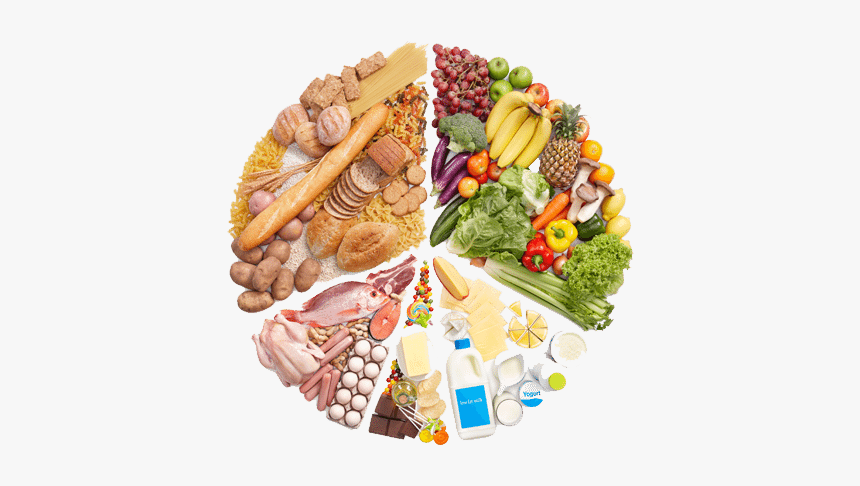
1. Eat a balanced diet
The purpose of dietary supplements is to fill the gaps in your diet but they are not meant to replace healthy eating. Make it a goal to eat more fruits, veggies, and whole grains to get a full range of nutrients that your body needs. Based on Harvard Health, the vitamins and minerals from food are easier absorbed by the body compared to their supplement form.
2. Consult your doctor
If you have existing medical conditions, taking medications, are pregnant, or are breastfeeding, it’s best that you talk to your doctor before taking dietary supplements. Your doctor can determine the best supplements for your needs and explain potential interactions with your current medications.
Be aware that vitamin and mineral supplements when combined with other medication can have negative effects. For example, according to the U.S. Food & Drug Administration (FDA), taking St. John’s wort, an herbal supplement, can lower the effectiveness of medications for HIV/AIDS, heart disease, birth control pills, and treatments for organ transplants. The FDA also points out that aspirin, warfarin (blood thinner), ginkgo biloba, and vitamin E can thin the blood. Taking any of them together may increase the potential for internal bleeding or stroke.
Are you looking for reliable and high-quality medical services? VidaCure offers free consultations on the first visit. Check out their PhilHealth Konsulta package for more details.
3. Take supplements as directed
For prescription medicines, it is crucial that you take them as directed by your doctor to ensure the full therapeutic benefits and minimize side effects. If you have questions, don’t hesitate to ask your physican.
For over-the-counter (OTC) medicines, make sure that you read the label carefully. Pay attention to details such as ingredients, recommended dosage, warnings, and potential side effects.
Whether prescription or OTC medicines, it’s best to consult a doctor before taking them if you have existing medical conditions (e.g., high blood pressure, diabetes), taking other medications, are pregnant, or are breastfeeding.
4. Check the best time to take supplements
Some dietary supplements are better taken with food, while others are best on an empty stomach. If you’re not sure, it’s recommended that you ask your doctor or pharmacist for the optimal timing.
5. Choose high-quality dietary supplements
Be careful of low-quality vitamin and mineral supplements because they may contain contaminants and fall short of the indicated amount of the active ingredient, making them ineffective or potentially unsafe. Choose reputable brands that have been tested for potency and purity.
Conclusion
Get the optimal benefits of vitamin and mineral supplements starting by maintaining a healthy diet rich in fruits, veggies, and whole grains. It’s also recommended that you consult a doctor before taking dietary supplements, especially if you have existing medical conditions, are under other medications, are pregnant, or are breastfeeding. It’s also crucial that you take medications as directed at the optimal time. Last but not least, choose high-quality supplements to ensure their effectiveness and safety.