10 Factors That Can Influence the Effectiveness of Medicines
Various factors affect the efficacy of medicine. When you take a tablet or a capsule, a combination of factors converge, influencing its effectiveness. Let’s take a closer look into what factors make a medication effective.
Type of medication
There are different types of medicine and each one has a specific intended purpose that is distinct from other drugs. The lasting effects of medicine also vary. Here are a few examples:
Pain Relievers – The amount of time that ibuprofen, a nonsteroidal anti-inflammatory drug (NSAID) takes effect can vary from person to person, depending on different factors. Typically, an ibuprofen pill is taken orally every four to six hours to ease pain, fever, and inflammation. Paracetamol, another type of painkiller, can take up to an hour to work. It can be taken up to four times within 24 hours.
Antibiotics – According to Healthline, most antibiotics start to work after you take them. However, it might take two to three days before you begin to feel better. The entire antibiotic regimen (generally 7 to 14 days) should be finished even though you feel better unless instructed by your physician.
Dosage
Medication adherence plays a vital part in the effectiveness of a medicine. You can increase drug efficacy by taking your medication as prescribed. Underdosing may decrease medication effectiveness while overdosing may result in serious, dangerous symptoms or in extreme cases, death.
Method of Administration
Oral medicine such as tablets and capsules may take longer to take effect than drugs administered via injection or inhalation.
Age
As you get older, your body changes which can affect the way your system absorbs drugs. For instance, changes in the digestive system can influence how fast drugs enter the bloodstream. Healthcare professionals may adjust dosage for newborns, children, and senior citizens because of differences in metabolism.
Weight
Like age, weight changes in your body can affect the amount of medicine that you need and the amount of time that it stays in your body. Children and senior citizens are usually more sensitive to drugs.
Attitude
Your attitude towards taking medication may influence the effect of the drug. A negative attitude is often linked with poor drug adherence which may result in worse health conditions. Whereas, a positive attitude and behavior are usually associated with better health outcomes.
Tolerance
After the continuous use of a specific medicine, you may develop tolerance, altering how your body or brain responds to the drug. As a result, the medication may not provide the intended result. When this happens, your doctor may need to change your dosage or medication.
Rate of Metabolism and Absorption
Drug absorption and metabolism can vary among individuals and can be influenced by genetics, age, sex, drug interactions, and comorbidities. Understanding these factors is essential for proper dosage and in getting the intended medicinal effect.
Overall Health
Allergies, comorbidities, and other health issues can hinder the body’s ability to deal with unusual problems that might arise from taking drugs.
Drug Interactions
Multiple medications – Sometimes taking two or more medicine simultaneously can result in unwanted effects. It’s possible for one or more medicine not to work as they should or lose their potency. For instance, aspirin should not be taken with a blood thinner, unless specified by your doctor.
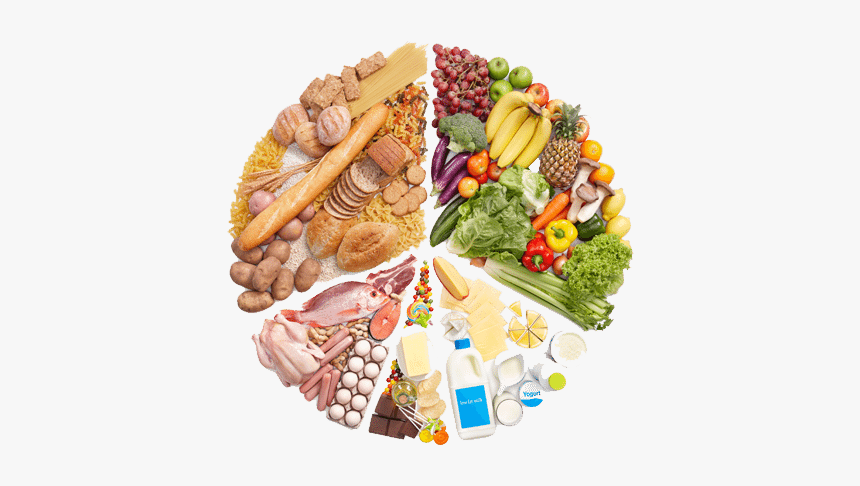
Food-Drug Interactions – Certain food can also affect how a medicine is absorbed by the body. You can ask your doctor about what food to avoid when taking certain medicine to prevent adverse effects. For example, grapefruit contains compounds that can interfere with the metabolism of many drugs including statins. Food rich in Vitamin K such as spinach, brussels sprout, and kale can make blood thinner medication less effective.
Lifestyle Choices – Alcohol, caffeine, and tobacco contain certain substances that may interfere with how your body metabolizes medications. Thus, smoking and drinking alcoholic and caffeinated beverages can decrease the effectiveness of your medication or have an impact on your medication tolerance. Another example is dairy products which contain calcium that can decrease the absorption of thyroid medications and some antibiotics.
Conclusion
The time it takes for medication to kick in varies from person to person. Some medications can give an individual immediate relief, while others may take hours, days, or weeks to take effect.
For over-the-counter (OTC) medication, always follow the instructions on the drug label. For prescription medicine, take the right dose as instructed by your doctor to attain its full medicinal effect. If you don’t understand the instructions, don’t hesitate to ask your healthcare provider.