
Skin Cancer Can Affect Filipinos Too: What You Need to Know
While the majority of Filipinos work inside the comfort of air-conditioned offices, more than 34% of the workforce spends their time outdoors. Many individuals face the intense heat of the sun to provide for their families. Imagine a traffic enforcer standing in the midday sun directing the flow of vehicles, a delivery rider riding his motorcycle to fulfill multiple orders, or a farmer planting rice seedlings in direct sunlight. These everyday realities expose outdoor workers to harmful UV rays that can increase the risk of skin cancer.
According to the Department of Health (DOH), approximately 2,700 Filipinos were diagnosed with skin cancer from 2011 to 2021. This is a stark reminder that Filipinos are not immune to the sun’s damaging effects. The good news is that most forms of skin cancer can be treated successfully when detected and treated early.
With May marking Skin Cancer Awareness Month, the DOH emphasizes the importance of sun safety and early prevention.
Myth About Skin Cancer
Mang Felimon, a 45-year-old construction worker in the Philippines, has deeply tanned skin from years of working under the sun. He is accustomed to the unforgiving sun; to him, it is something to be endured, not feared.
When asked if he wears sunscreen to prevent skin cancer, he casually replies:
“Pang-maarte lang ang sunscreen. Skin cancer? Hindi uso ’yan sa Pilipinas at saka mga mapuputing banyaga lang naman ang tinatamaan ng skin cancer.”
A common myth about skin cancer is that it does not affect brown or dark-skinned people. This belief often gives Filipinos a false sense of security when spending long hours under the sun. However, dermatologists remind us that anyone can develop skin cancer, including Filipinos.
While darker skin contains more melanin, a natural substance that helps protect the skin by absorbing harmful ultraviolet (UV) rays, it does not fully block UV exposure or completely prevent the risk of developing skin cancer.
Facts About Skin Cancer
What is skin cancer?
Skin cancer develops as a growth of cells on the skin that can invade and damage healthy body tissue. In some cases, the cells spread to other parts of the body.
What are the types of skin cancer?
The two main types of skin cancer are nonmelanoma and melanoma. The two most common types of nonmelanoma skin cancer found in Filipinos are basal cell carcinoma (BCC) and squamous cell carcinoma (SCC).
What are the signs and symptoms of skin cancer?
- A new rough/scaly spot, bump, or scab-like growth
- A sore on the skin that refuses to go away
- A mole that begins to expand or change color
- A growth that becomes itchy or starts aching
When to see a doctor?
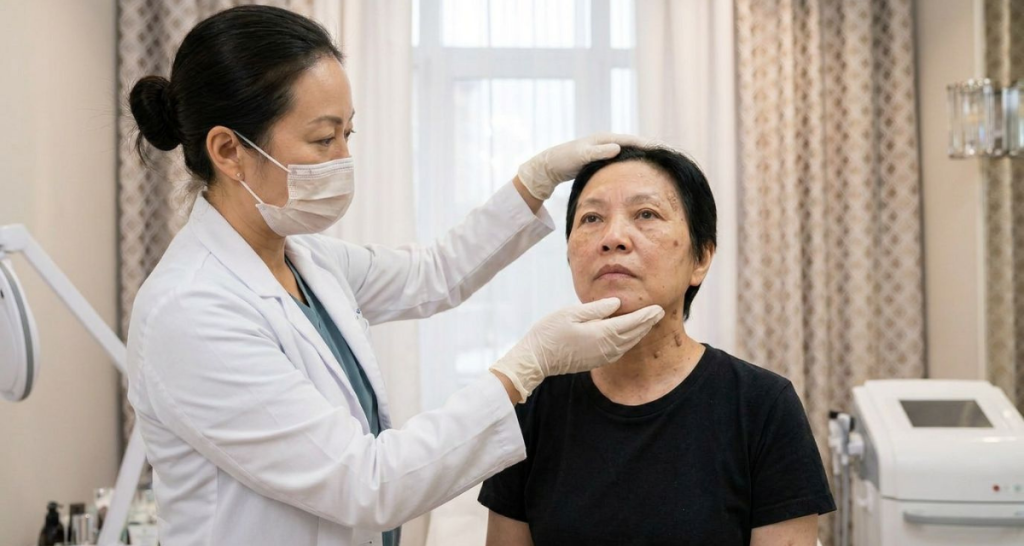
There is no such thing as being too cautious about skin health. If you observe any of the signs mentioned above or other unusual skin changes, VidaCure Pharmacy, a trusted pharmacy in the Philippines, urges you to act now and schedule an appointment with a doctor for proper medical advice. Early action can save lives.
What can you do to protect yourself against skin cancer?
The Centers for Disease Control and Prevention (CDC) shares the following precautionary measures to reduce the risk of skin cancer:
- Stay out of the midday sun, especially between 10 a.m. and 3 p.m. when the sun is at its fiercest. If possible, schedule outdoor activities during cooler hours of the morning or afternoon.
- Use sunscreen daily, even on cloudy days, because UV rays can still penetrate the clouds. Choose a daily sunscreen with at least SPF 30 and apply it 30 minutes before going out. Reapply every two hours if you are sweating or swimming.
- Wear long sleeves and pants to protect your arms and legs from the sun. Give your face and neck extra sun protection by wearing a wide-brimmed hat. Don’t forget to protect your eyes with a good pair of sunglasses that can help block harmful UV rays.
- Do not use tanning beds because the UV light can increase the risk of skin cancer.
- Make it a habit to perform a quick head-to-toe check once a month. If you notice a new bump or a mole changing shape, it’s best to have it checked out.
Bottomline
Our skin has a way of telling us when something isn’t right. If you notice a new, scaly bump or a stubborn spot, VidaCure Pharmacy recommends having it checked to rule out skin cancer.
Remember to protect your skin through simple daily habits like wearing sunscreen, using protective clothing, and skipping tanning beds to help lower the risk of skin cancer. It is also highly recommended to do a monthly health check to detect unusual growth or changes early.
FREQUENTLY ASKED QUESTIONS
1. Can Filipinos get skin cancer?
Yes. Although darker skin has more melanin that offers some protection from UV rays, Filipinos can still develop skin cancer.
2. What are the warning signs of skin cancer?
Possible signs include a sore that does not heal, unusual dark patches on the skin, a new or changing mole, or itchy, bleeding skin lesions.
3. Who is more at risk for skin cancer?
People who spend long hours under the sun may have a higher risk of skin cancer.
4. How can I protect my skin from harmful UV rays?
Avoid staying under direct sunlight, especially between 10 a.m. and 3 p.m. If you have to go outdoors, wear SPF 30 or higher sunscreen, long sleeves, a hat, and sunglasses. Seek shade whenever possible.
5. Is skin cancer treatable?
Yes. Skin cancer can often be treated successfully when detected early.