
Respiratory Care Week 2026:
Every Breath, Every Moment
In the Philippines, the daily commute is more than just long lines for buses and jeepneys or squeezing into crowded rides. Commuters also breathe in smoke and fumes, making the commute bad for their health.
Respiratory Care Week 2026 with the theme: Every Breath, Every Moment honors the importance of lung health, encouraging everyone to protect their lungs, advocate for cleaner air, and value every breath they take.
VidaCure Pharmacy, a trusted and affordable pharmacy in the Philippines, is here to guide you to take care of your lung health better.
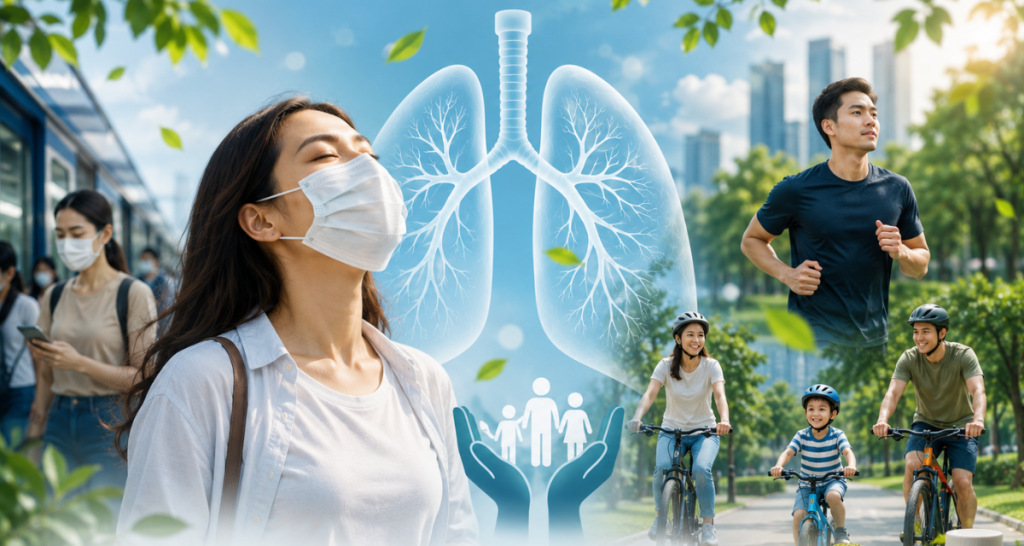
Understanding the Respiratory System
The respiratory system helps your body take in oxygen and release carbon dioxide. It includes your nose, mouth, airways, and lungs, along with the muscles and blood vessels that support breathing. Your ribs also help protect your lungs and other organs in your chest, allowing your body to breathe and function properly.
Despite its important role in keeping us healthy, we often overlook the early warning signs of respiratory problems. A persistent cough or shortness of breath, may be dismissed as temporary discomfort when in reality, our lungs are signaling for help.
Common Respiratory Diseases
Respiratory diseases affect the lungs and airways. Chronic respiratory conditions are a major global health issue, affecting hundreds of millions of people worldwide.
- Chronic Obstructive Pulmonary Disease (COPD). Long-term damage to the lungs and airways, including emphysema (air sac damage) and chronic bronchitis (airway inflammation and mucus build-up).
- Asthma. A condition causing inflammation that tightens airway muscles, making it difficult to breathe.
- Obstructive Sleep Apnea (OSA). Periodic breathing interruptions during sleep caused by airway blockages, which increase the risk of heart disease, diabetes, and dementia.
- Pulmonary Hypertension. High blood pressure in the lung’s blood vessels, which can lead to serious complications like heart failure or blood clots.
- Interstitial Lung Disease (ILD). A group of conditions that cause scarring (fibrosis) in lung tissue, making lungs stiff and hard to inflate.
- Lung Cancer. Cancer that starts in the lungs is one of the leading causes of cancer-related deaths globally.
- Occupational Lung Diseases. Conditions caused by inhaling harmful dusts, fumes, or fibers in workplace environments such as asbestosis, silicosis, and work-related asthma.
Common Early Signs
Watch out for these common early signs that your lungs are giving away:
- Shortness of breath
Wheezing - Persistent cough
- Tightness in the chest area
- Feeling fatigue
If you experience any symptom, it’s best to consult a health professional for timely medical advice that helps to manage symptoms effectively, create a tailored treatment plan, and better safeguard your long-term lung health.
Respiratory Care Guide
Taking care of your lungs starts with simple habits you can adapt into your everyday life.
- Don’t Smoke. Cigarette smoke causes narrow air passages, swelling/inflammation in the lungs, and destroys lung tissue.
- Avoid Exposure to Indoor Air Pollutants. Indoor air can often be more polluted than outdoor air. Common hazards include secondhand smoke, cleaning chemicals, and mold.
- Minimize Outdoor Air Pollution Exposure. Check local air quality forecasts before heading out, avoid exercising outdoors on high-pollution days or near heavy traffic zones, and refrain from burning trash or wood.
- Get Regular Check-ups. Early detection is important, as many lung conditions go unnoticed until they become severe. Routine medical visits allow doctors to listen to your breathing and catch potential issues early.
- Stay Physically Active. Regular exercise strengthens your heart and lungs, helping your body deliver oxygen more efficiently regardless of age or physical ability.
- Protect Public & Personal Health. Use appropriate masks when necessary to prevent inhaling harmful particles or spreading respiratory infections.
In addition to daily healthy habits, taking essential supplements is a proactive way to care for your lungs. VidaCure, a source of safe, affordable, and FDA-approved medicines in the Philippines, highlights key nutrients and supplements that help keep your respiratory system strong and healthy:
- Vitamin C. Strengthens immune defense against viral and bacterial respiratory infections and may reduce asthma symptoms.
- Vitamin D. Helps ease asthma symptoms and may lower the risk of developing COPD.
- Magnesium. Relaxes muscles in the airways to facilitate better airflow and lowers inflammation.
- Omega-3 Fatty Acids. Fights lung inflammation, boosts overall lung capacity, and assists recovery following lung injuries.
- Vitamin A. Works together with vitamins D and E to protect lung tissues from infections.
- Vitamin E. Partnered with vitamins A and D, it enhances the respiratory system’s ability to clear infections.
It’s best to consult your doctor before taking supplements to determine which nutrients you may need and the appropriate dosage. Keep in mind that supplements can help address nutritional deficiencies, but they should not replace a balanced diet, healthy habits, or prescribed treatment for respiratory conditions.
For vitamins and supplements to support your overall wellness, visit VidaCure Pharmacy, where licensed pharmacists are always ready to guide you.
Bottomline
Commuting in the Philippines exposes your lungs to heavy smoke and pollution every day. For Respiratory Care Week 2026, taking care of your lungs means listening to early warning signs, wearing a mask in traffic, staying active, and getting regular check-ups.
You can also protect your lungs from the inside with key vitamins like C, D, A, and E, Magnesium, and Omega-3s to fight inflammation and make breathing easier.
VidaCure, a PhilHealth GAMOT-accredited pharmacy, provides affordable supplements and practical guidance to help you breathe easier and keep your lungs strong.
Frequently Asked Questions (FAQs)
1. Why is respiratory awareness important for Filipino commuters?
Daily commuting in the Philippines exposes people to heavy traffic fumes and pollution, which can harm lung health over time. Respiratory Care Week 2026 highlights the importance of protecting your lungs, recognizing early warning signs, and taking proactive steps.
2. What are the early signs of a respiratory problem?
Early signs can include shortness of breath, persistent coughing, wheezing, or chest tightness. People often dismiss these as temporary discomforts, but they are often signals that your lungs need care.
3. What are common chronic respiratory diseases?
Common conditions include Chronic Obstructive Pulmonary Disease (COPD), Asthma, Obstructive Sleep Apnea (OSA), Pulmonary Hypertension, Interstitial Lung Disease (ILD), Lung Cancer, and Occupational Lung Diseases caused by workplace dust or fumes.
4. How can I protect my lungs during my daily commute?
Wear a protective face mask in heavy traffic, check local air quality forecasts before heading out, avoid exercising outdoors near busy roads, and avoid burning trash or wood.
5. How do vitamins and supplements help support lung health?
- Vitamins A, C, D, and E boost immune defense against respiratory infections, protect lung tissue, and help ease asthma or COPD symptoms.
- Magnesium relaxes airway muscles for better airflow and reduces swelling.
- Omega-3 Fatty Acids reduces lung inflammation and supports overall breathing capacity.