
A Beginner's Guide to Blood Pressure Medication
What is High Blood Pressure
High blood pressure, also known as hypertension, occurs when the pressure of your blood against the walls of the blood vessels is too high. A blood pressure reading below 120/80 mm Hg is generally considered normal. A reading of 120 to 129 over 80 or lower is classified as elevated blood pressure. Making healthy lifestyle changes may help prevent elevated blood pressure from progressing to hypertension. According to the Philippine Society of Hypertension (PSH), hypertension is categorized as a blood pressure reading of 140/90 mm Hg or above, typically recorded at least twice on two days.
Hypertension is often called a “silent killer” because it may not show any symptoms until it causes damage to your heart, brain, or kidney. This medical condition puts a strain on the heart and blood vessels, increasing the risk of heart disease, stroke, chronic kidney disease, and other blood vessel diseases.
High blood pressure remains a growing health concern in the Philippines. According to the Philippine Heart Association (PHA), as of May 2026, 34% of Filipino adults have hypertension. Prevalence study shows that this percentage could double by 2040.
Are you part of the current statistics? If you’ve recently been diagnosed with high blood pressure and prescribed medication, here’s what to expect:
When Do You Need Medication for High Blood Pressure
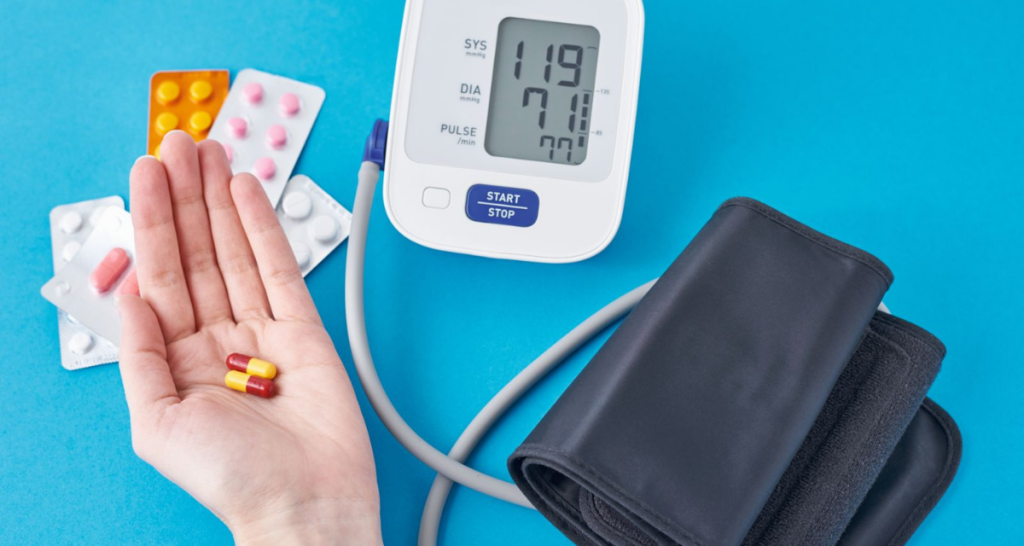
If you’ve been diagnosed with high blood pressure and your blood pressure reading remains high despite making the recommended lifestyle changes, your doctor may prescribe medication to help bring it under control.
According to Healthline, different types of antihypertensives may work in different ways, including:
- Diuretics – These ‘water pills’ make you pee more frequently to help your kidneys remove extra salt (sodium) from your body. This reduces the amount of fluid in your blood that your heart has to pump.
- Angiotensin-converting enzyme inhibitors – ACE inhibitors prevent the body from producing angiotensin 2, which constricts blood vessels and raises blood pressure.
- Angiotensin II receptor blockers – ARBs block the effects of the hormone angiotensin II, helping the veins and arteries relax, lowering blood pressure.
- Calcium channel blockers – Calcium makes the heart and the blood vessels tighten. CCBs work by reducing the amount of calcium that goes in and out of cells in your heart and blood vessels, making blood flow easier.
What You Need to Know About Your Blood Pressure Medication
Before taking your blood pressure medication, make sure you know the answers to the following questions. If you’re unsure about any of the following, ask your doctor or pharmacist.
- How much should I take?
- When should I take it?
- How many times a day should I take my medication?
- Should I take it with food, after meals, or on an empty stomach?
- Can I take it with my other medicines or supplements?
- What should I do if I accidentally skip a dose?
What Are the General Guidelines For Taking Blood Pressure Medication?
- VidaCure Pharmacy reminds you to take your high blood pressure medication exactly as prescribed, even if you feel well.
- Tell your doctor if you’re taking other over-the-counter and prescription drugs because certain medications and supplements can interact with your antihypertensives.
- Inform your doctor if you are pregnant or planning to get pregnant before starting antihypertensives. Certain medications, such as ACE inhibitors and ARBs, may have harmful effects for pregnant people and their developing babies.
- Inform your doctor if you experience any side effects. Your doctor may change your dosage or switch you to a different type.
- Mayo Clinic recommends the DASH (Dietary Approaches to Stop Hypertension) diet. It features food rich in calcium, potassium, and magnesium, including vegetables, fruits, whole grains, fish, poultry, beans, nuts, and fat-free or low-fat dairy products.
- Limit your intake of sodium, added sugar, and saturated fat.
- Maintain a healthy weight to reduce the strain on your heart.
- Adults should aim for at least seven hours of sleep at night. According to the Centers for Disease Control and Prevention (CDC), lack of sleep is linked to hypertension, obesity, type 2 diabetes, and other health conditions.
- Engage in regular physical activity. Ask your doctor what exercises are safe for you.
- Avoid or limit alcohol to help control blood pressure.
- Quit smoking. According to the American Heart Association (AHA), smoking is one of the risk factors for hypertension, which can lead to stroke and heart attack.
Bottomline
Hypertension, or high blood pressure, is a growing health concern in the Philippines. It is often called a “silent killer” because it may develop without noticeable symptoms, highlighting the importance of awareness and regular blood pressure monitoring.
High blood pressure can be prevented or effectively managed through healthy lifestyle choices. This includes following the recommended DASH (Dietary Approaches to Stop Hypertension) diet, staying physically active, maintaining a healthy weight, limiting alcohol intake, getting enough sleep, and quitting smoking.
If your blood pressure remains high despite following recommended lifestyle changes, your doctor may prescribe blood pressure medication. It’s important to take your medicines exactly as directed and go on follow-up check-ups to help keep your blood pressure under control. Visit VidaCure to get safe, affordable, and FDA-approved medicines in the Philippines.
FREQUENTLY ASKED QUESTIONS
1. What is hypertension?
Hypertension, also known as high blood pressure, occurs when the force of blood against the walls of your blood vessels is high. If left unmanaged, hypertension can damage your heart, brain, and kidneys.
2. What are the symptoms of hypertension?
Most people with hypertension do not experience any symptoms. Very high blood pressure may cause severe headaches, blurred vision, chest pain, shortness of breath, or dizziness, requiring immediate medical attention.
3. How can I prevent high blood pressure?
You can lower your risk of hypertension by following the DASH (Dietary Approaches to Stop Hypertension) diet, reducing sodium intake, exercising regularly, maintaining a healthy weight, limiting alcohol, getting enough sleep, quitting smoking, and having your blood pressure checked regularly.
4. Do I need to take blood pressure medication for life?
Not everyone will need lifelong medication. Your treatment depends on your blood pressure readings, overall health, and risk of complications. Never stop taking your prescribed medication even if you feel fine, without consulting your doctor.
5. When should I seek emergency medical care?
Seek emergency medical care if you have a very high blood pressure reading accompanied by symptoms such as chest pain, difficulty breathing, sudden weakness or numbness, confusion, difficulty speaking, severe headache, or vision changes.