
Understanding Statins and How They Work
Cholesterol is a waxy substance that your body needs to make hormones, vitamin D, and other substances that aid digestion. One type of cholesterol to monitor is low-density lipoprotein (LDL), often called “bad” cholesterol.
When LDL cholesterol is too high, it can build up in your artery walls. Over time, this buildup can make the arteries narrow or even block blood vessels, increasing the risk of heart attack and stroke.
Cardiovascular disease is one of the leading causes of death in the Philippines. Keeping cholesterol at healthy levels is therefore an important part of protecting your heart health.
According to the Mayo Clinic, most people should aim to keep their total cholesterol below 200 milligrams per deciliter (mg/dL) and LDL cholesterol under 100 mg/dL. Individuals with a history of heart attacks or who are at a very high risk of a heart attack or stroke may need to keep their LDL below 70 mg/dL.
If you have high levels of total cholesterol or LDL that do not improve despite changes to your diet and exercise, your doctor may prescribe a statin to help lower your cholesterol levels and reduce your risk of heart disease and stroke.
Visit VidaCure Pharmacy, a PhilHealth GAMOT-accredited pharmacy, for your statin prescription. Our licensed pharmacists are ready to assist you with your medicines.
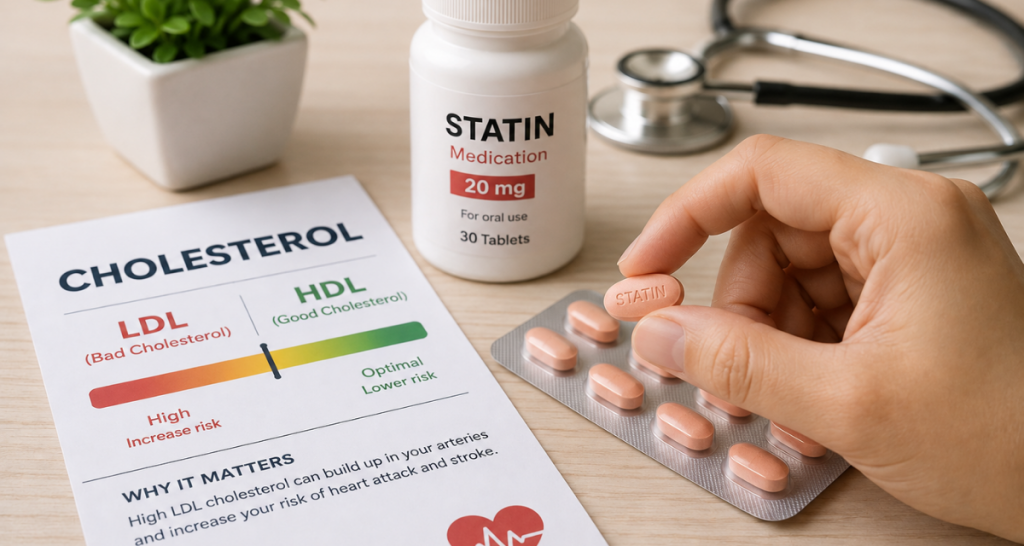
What are Statins and How Do They Work?
Statins, also called HMG-CoA reductase inhibitors, are the most common type of cholesterol medicine. They help block HMG-CoA reductase, an enzyme that aids your body in producing cholesterol. Statins slow down cholesterol production, signaling the liver to make more LDL receptors. These receptors are responsible for lowering LDL (“bad cholesterol”) levels. Statins can also lower triglyceride levels and higher HDL (“good cholesterol”) levels.
What Are the Benefits of Statins?
- Lower LDL (“bad” cholesterol) – According to several studies, statins can lower LDL cholesterol by as much as 60 percent.
- Raise HDL (“good” cholesterol)
- Lower triglycerides (another type of fat in your blood that can increase the risk of heart disease)
- Reduce the risk of cardiovascular problems after organ transplant
- Slow plaque progression
- Reduce inflammation
What Statins Are Available in the Philippines
Here are the four statin drugs available in the country:
- Atorvastatin (Lipitor)
- Simvastatin (Zocor)
- Pravastatin (Lipostat)
- Fluvastatin (Lescol)
Who Can Benefit From Taking Statins?
- Individuals who struggle with bringing their cholesterol down despite changing their diet and getting more physical activity can benefit from taking statins.
- Your doctor will assess your risk of heart and blood vessel disease when deciding whether to prescribe statin medication. Risk factors to consider may include:
- Body mass index (BMI) of 30 or higher
- Family history of heart disease
- Smoking
- Previously experienced a heart attack, stroke, or peripheral artery disease (PAD)
- Health conditions, such as diabetes, high blood pressure, or high cholesterol
Who Should Not Take Statins?
Women who are pregnant or breastfeeding should not take statins. They are also not recommended for individuals who have certain types of liver disease.
What Are the Side Effects of Statins?
Taking statins may have some side effects for some people. These side effects often go away as your body gets used to the medicine.
Common side effects of statins are:
- Headaches
- Nausea
- Muscle and joint discomfort
- Slight increase in sugar levels
Bottomline
High cholesterol, particularly elevated low-density lipoprotein (LDL), also known as “bad” cholesterol, can increase your risk of heart disease and stroke. Statins can play an important role in managing high cholesterol and protecting heart health. By lowering LDL, these medicines can help reduce the risk of heart attack and stroke, especially for people with a higher risk of cardiovascular disease.
Statins should never be self-prescribed. If your doctor prescribes a statin, take it as directed and have your cholesterol levels monitored regularly. If you experience side effects or have concerns about your medication, talk to your healthcare provider. Never stop taking a statin or change your dosage without medical advice.
Visit VidaCure for safe, affordable, and FDA-approved medicines in the Philippines.
Frequently Asked Questions
1. What are statins?
Statins are prescription medicines that help lower LDL or “bad” cholesterol in the blood. They may also help reduce the risk of heart attack and stroke in people who are at increased risk of cardiovascular disease.
2. Why might my doctor prescribe a statin?
Your doctor may recommend a statin if your LDL cholesterol remains high despite healthy diet and lifestyle changes, or if you have other factors that increase your risk of heart disease or stroke.
3. Can lifestyle changes lower cholesterol?
Yes. Eating a balanced diet, exercising regularly, maintaining a healthy weight, avoiding tobacco, and limiting foods high in saturated and trans fats can help lower cholesterol levels.
4. What are the possible side effects of statins?
Some people may experience headaches, nausea, muscle or joint discomfort, or a slight increase in blood sugar levels.
5. Should I stop taking a statin if I feel better?
No. Do not stop taking your statin or change your dose without first speaking with your doctor.