
Masakit ang Katawan? Here's How to Get the Relief You Need
Many Filipinos often complain of sakit ng katawan after a long commute, hours spent at a desk, household chores, lifting heavy objects, an intense workout, or even a sleepless night.
Pain may vary from one person to another. It may be caused by something as simple as muscle strain or overexertion, but it can also signal an underlying injury or medical condition.
Understanding the possible cause of your pain is the first step toward finding the right relief and knowing when it’s time to seek medical care.
Body pain can be categorized into two types: Acute and Chronic.
Acute Pain
What is Acute Pain?
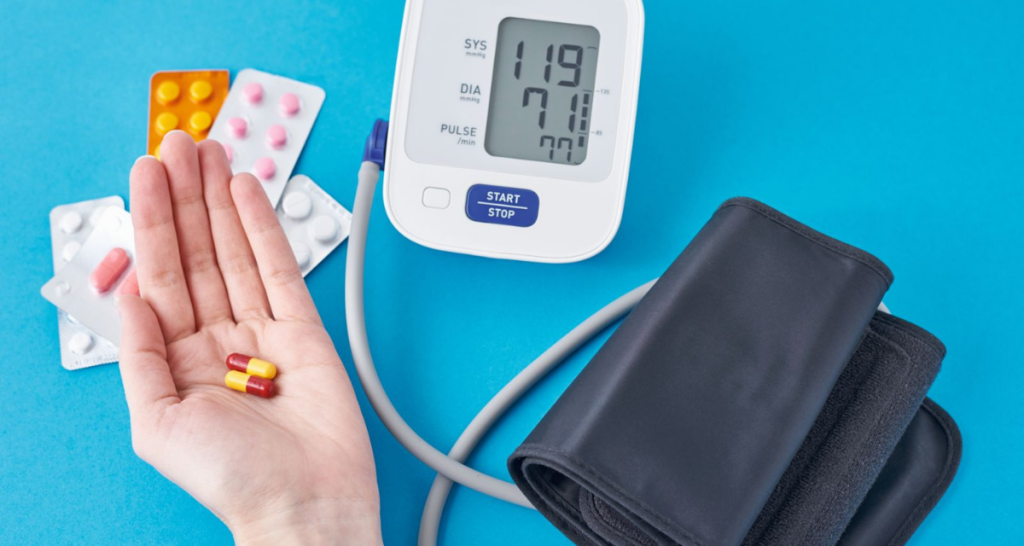
Acute pain occurs suddenly and can range from mild to severe. Acute pain is often due to an illness, injury, or surgery, and can last for weeks or months. It can go away on its own or with the help of over-the-counter medication such as paracetamol/ibuprofen.
If you’re looking for safe, affordable, and FDA-approved medicines in the Philippines or have questions about pain medication, VidaCure Pharmacy, a PhilHealth GAMOT-accredited pharmacy, can guide you toward suitable options. For severe and persistent pain, it’s best to see a healthcare professional for proper evaluation and treatment.
What are the Common Causes of Acute Pain?
- Headaches
- Cuts and scrapes
- Bruises
- Burns
- Dislocated joints
- Broken bones
- Dental treatments/procedures
- Kidney stones
- Pain due to illness
- Surgery
- Childbirth
How to Treat Acute Pain?
Here are some of the common treatments for acute pain:
- Apply the RICE method – For the management of strains and sprains, the Cleveland Clinic recommends the RICE method, which means “rest, ice, compression, and elevation,” to ease body pain, swelling, inflammation, and even bleeding.
- Take pain relievers – Over-the-counter painkillers like acetaminophen and nonsteroidal anti-inflammatory drugs (NSAIDs) can be taken to relieve headaches, body aches, minor arthritis pain, and muscle pain.
- Go through physical therapy – Your doctor may recommend physical therapy after an injury or surgery to help regain your strength, reduce pain, and improve mobility.
- Integrative/holistic techniques – Combining conventional pain management with integrative practices, such as acupuncture, therapeutic massage, yoga, and meditation can help ease pain.
Chronic pain
What is Chronic Pain?
Chronic pain can linger for weeks, months, or even years. The pain can persist despite the improvement or healing of the underlying condition or injury that caused it. Some chronic pain may not have a clear cause.
Chronic pain is also linked to various medical conditions, such as:
- Back pain
- Lower back pain
- Joint diseases (osteoarthritis, rheumatoid arthritis, gout)
- Endometriosis
- Cancer
- Fibromyalgia
- Nerve disorders
People who suffer from osteoarthritis and similar conditions can experience debilitating chronic pain.
What are the Common Causes of Chronic Pain?
- Neuropathic pain – Occurs if your nervous system is damaged
- Musculoskeletal pain – Affects your bones, joints, muscles, ligaments, tendons
- Visceral pain – Stems from body organs
- Inflammatory pain – Triggered by tissue damage and inflammation
- Central sensitization – Due to changes in your central nervous system
How to Treat Chronic Pain
Living with chronic pain can make everyday life more challenging, affecting your mobility, sleep, work, and even your emotional and mental health. Since everyone’s experience is different, managing chronic pain can require a combination of treatments tailored to your individual needs:
- Prescription medications
- Physical therapy
- Steroid injections
- Surgery
- Psychotherapy
- Integrative/holistic techniques
When to Seek Medical Attention
Consult a health care professional if your pain is:
- Due to an injury or accident that may have caused significant physical impact including heavy bleeding, broken bones, or head injury
- Severe and sharp internal pain
- In your chest, back, shoulders, neck, or jaw accompanied by shortness of breath, dizziness, weakness, cold sweats, nausea, or vomiting
- Interfering with your ability to work, sleep, or do other activities
Bottomline
Pain is an unpleasant physical sensation and emotional experience that can vary from one person to another. It can be your body’s way of signalling that something is wrong and needs attention. While occasional acute pain can be managed with rest, hot/cold compresses, and over-the-counter pain relievers, chronic pain may require a combination of treatments.
Visit VidaCure for pain medication guidance. Our licensed pharmacists can recommend suitable over-the-counter options and guide you on their proper use.
If your pain is severe, persists, or keeps coming back, consult a healthcare professional for a proper evaluation and appropriate treatment.
FREQUENTLY ASKED QUESTIONS
1. What is the difference between acute and chronic pain?
Acute pain comes on suddenly and usually lasts for a short time, often due to an injury, surgery, or illness. Chronic pain, on the other hand, lasts for several weeks, months, or even years and may continue even after the injury or underlying condition has healed.
2. What are the most common causes of acute pain?
Acute pain can come from headaches, muscle aches, joint pain, wounds, burns, broken bones, surgery, and more.
3. When should I take a pain reliever?
Pain relievers may help ease mild to moderate acute pain. Always use pain relievers according to the directions on the label or as advised by a healthcare professional.
4. Where can I get advice on choosing an over-the-counter pain reliever?
Visit VidaCure Pharmacy for proper guidance on over-the-counter pain medications.
5. When should I see a doctor for body pain?
Seek medical attention if your pain is severe, persistent, or keeps coming back, especially if it follows a serious injury or is accompanied by symptoms such as fever, swelling, numbness, weakness, chest pain, or difficulty breathing.