
National Allergy Day: Understanding Allergy Triggers Within Your Home
Do you often find yourself sneezing continuously in dusty places, breaking out in hives after a meal, or getting watery eyes during certain times of the year? You’re not alone. Many Filipinos experience allergies every day, triggered by allergens in the environment.
Many people have allergies to food, medicines, dust, and other things, but not everyone knows how to deal with allergies and prevent an allergic attack.
There’s no better time than National Allergy Day, observed every July 8, to pay closer attention to your body. Learn to recognize your allergy triggers, how to respond to allergic reactions, and how to prevent future flare-ups.
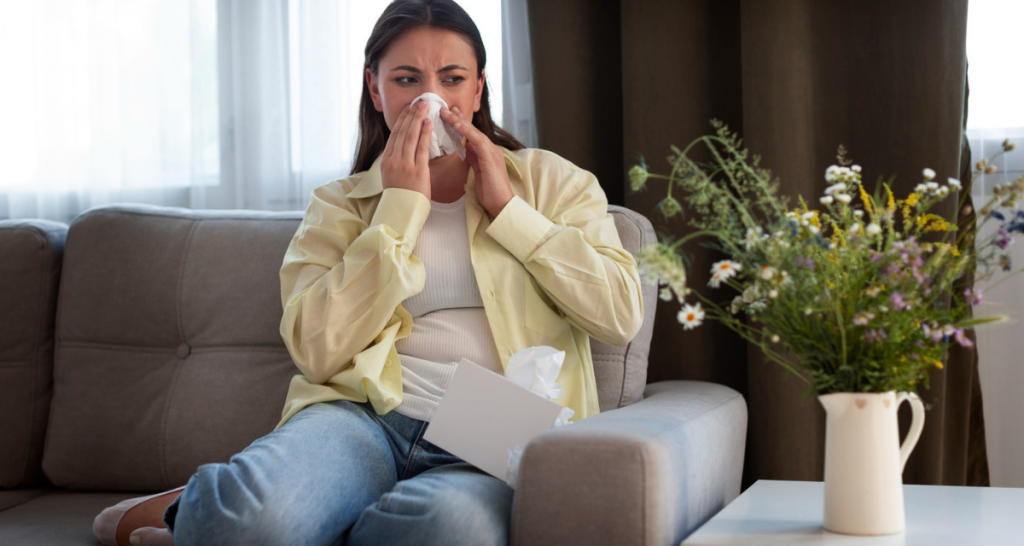
Allergy Triggers Within Your Home
Your home should be a safe and comfortable space, but sometimes it hides allergens that can build up and set off allergic reactions.
Here are the top five common indoor allergens:
- Household chemicals – Strong cleaning products, air fresheners, laundry detergents, and insect-repellent sprays.
- Dust mites – Microscopic creatures that can live in pillows, bedding, mattresses, stuffed toys, carpets, and upholstered furniture.
- Pet dander – Dead skin cells shed by furry or feathered pets.
- Mold spores – Seed-like reproductive cells found in damp spaces, like bathrooms and kitchens.
- Food – According to the Food and Drug Administration (FDA), major food allergens include eggs, milk, fish, Crustacean shellfish, wheat, soybeans, peanuts, and tree nuts.
Our experienced pharmacist at VidaCure Pharmacy can recommend over-the-counter allergy medications to help relieve common symptoms and provide guidance on their proper use.
Symptoms of Indoor Allergies
Some people experience only mild to moderate symptoms, while others may develop severe reactions that require immediate medical attention. According to the Cleveland Clinic, common symptoms of indoor allergies include:
- Sneezing
- Runny nose
- Nasal congestion
- Itchy nose or throat
- Rashes, hives
- Itchy, watery eyes
- Coughing, wheezing
Managing Indoor Allergies
If you often experience unexplained discomfort, identifying allergens is an initial step in reducing long-term symptoms.
Here are some tips to manage your indoor allergies.
Pet allergies
- If you have pets, try to establish pet-free zones in your home to minimize allergy attacks. It’s a good idea to keep your pets out of your bedroom and the living room where you usually stay.
- If you’re visiting family or friends with pets, come prepared with allergy medicine in case you have an allergy attack.
- Give your pets regular baths to minimize dander. Wear a mask to minimize your exposure to pet allergens.
- Wash your hands after touching your pet.
Dust allergies
- Avoid the accumulation of dust by cleaning your home regularly. Wear a mask and gloves when cleaning to minimize dust exposure.
- Change your bedding and blanket at least once a week.
- Vacuum your carpet using a vacuum cleaner equipped with a HEPA filter.
Food allergies
- Be aware of your food triggers so you can avoid them.
- Always read the ingredients on food packaging.
- When eating out, ask the waiter if a dish contains known allergens.
Mold allergies
- Clean your house regularly.
- Keep your refrigerator clean. Throw away expired and rotten food to prevent mold growth.
- Keep the humidity level in check by placing a dehumidifier in damp areas of your home.
- Let your house breathe by opening your windows during sunny, breezy days. This will allow fresh air into your home.
- Check and fix any leaks in your home.
- If you notice mold growing on the surface, wear a mask and clean the affected area immediately. Monitor and clean it again if the mold reappears.
Household chemicals
- Choose fragrance-free or unscented soap, laundry detergents, and cleaning supplies.
- Avoid products with harsh ingredients.
- Wear a mask and gloves when handling household chemicals.
While many allergic symptoms can be managed at home, persistent or recurring allergic reactions may need medication to relieve symptoms. Visit VidaCure and ask about over-the-counter allergy medications.
If your allergy symptoms persist or begin to affect your day-to-day activities, it’s best to consult a healthcare professional.
When to Go to the Doctor
Don’t hesitate to consult a healthcare provider if you want to know the cause of your recurring allergy symptoms. A primary healthcare provider in the Philippines might refer you to a specialist, like an allergist/immunogist to identify your triggers and develop the right treatment plan.
The Department of Health (DOH) reminds the public that an allergy may not just be about scratching and sneezing. It can lead to anaphylactic shock, a serious condition that could endanger your life.
Seek emergency care right away if you experience any of these severe allergic reactions, also known as anaphylaxis:
- Trouble breathing
- Swelling of the face, lips, throat, or tongue
- Hives across the body
- Tightness or pain in the chest
- Fast heartbeat
- Sudden blood pressure drop
- Feeling weak, lightheaded, dizzy, or faint
- Tingling or numbness of the hands, feet, or lips
- A sudden feeling that something is wrong or a sense of impending doom
Bottomline
Allergies may be a common health concern in the Philippines, but they should never be ignored. Common allergy triggers in your home include dust mites, household chemicals, pet dander, mold spores, and food. Being aware of what causes your allergic reactions is the first step toward managing them effectively. This National Allergy Day, make your health a priority by understanding the symptoms, avoiding known triggers, and seeking medical advice when symptoms persist.
FREQUENTLY ASKED QUESTIONS
1. What are the most common allergy triggers in the Philippines?
Household chemicals, dust mites, pet dander, mold spores, and food
2. How can I reduce allergy flare-ups at home?
Keep your home clean, designate pet-free zones, wash bedding at least once a week, always check the humidity level, and always read food labels.
3. Can weather trigger allergies in the Philippines?
Yes. During the rainy season, the humidity level is high, encouraging the growth of mold.
4. How to manage allergies?
The best way to manage allergies is to identify and avoid your allergy triggers. Keep your surroundings clean and always read food and product labels.
5. When should I see a doctor for my allergies?
Consult a healthcare professional if your allergy symptoms are frequent, severe, interfere with your daily activities, or don’t improve with over-the-counter medications.