
Naulanan Ka Ba? The Truth About Getting Sick During the Rainy Season
“Huwag kang magpapaulan, baka magkasakit ka!” For many Filipinos, it’s a familiar reminder during the rainy season, which has been passed down through generations; so much so that many of us worry about getting sick after being caught in the rain.
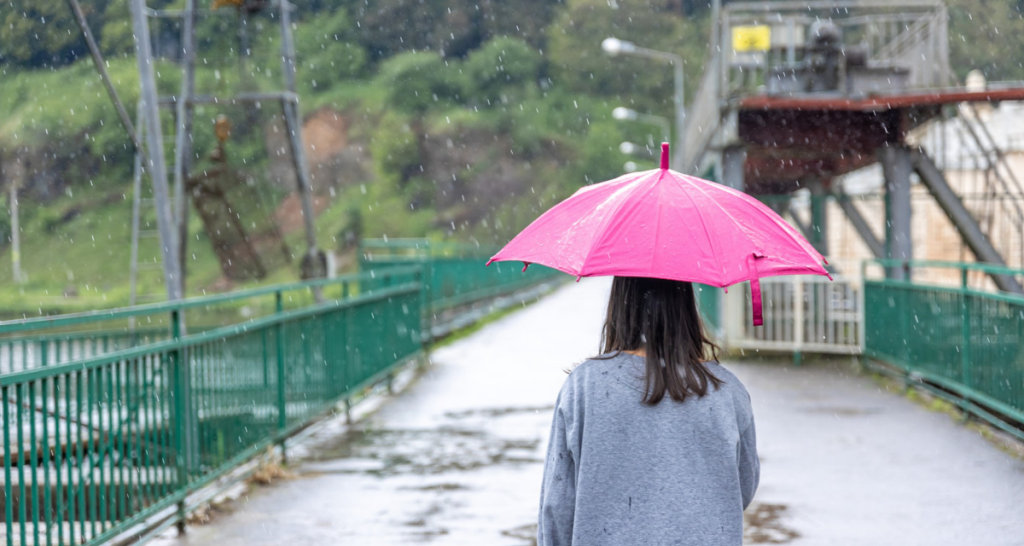
Can getting soaked in the rain directly make you sick?
According to the Mayo Clinic, getting wet in the rain doesn’t automatically make you sick. However, when you’re exposed to the rain for more than an hour, your body temperature drops. This change in temperature can stress the body and weaken the immune system. Damp clothes and wet hair also create an environment where bacteria can thrive, increasing the risk of infection. Humidity and temperature shifts also promote the spread of viruses. This is why coughs, colds, flu, and other respiratory illnesses are common during this time.
For rainy-season health needs, visit your nearest VidaCure Pharmacy for safe, affordable, and FDA-approved medicines in the Philippines. Our pharmacists can help you find suitable over-the-counter relief for common rainy-season illnesses. If your symptoms persist or worsen, it’s best to consult a healthcare professional.
Tips to Avoid Getting Sick from the Rain
Here are some practical tips to help you and your family avoid getting sick during the rainy season.
1. Bring an umbrella, raincoat, or other rain gear. During this time of year, the weather can be unpredictable. A sunny morning can give way to dark clouds and rain showers. Bringing an umbrella, a raincoat, or a water-resistant jacket with a hood prevents you from getting drenched during unexpected downpours. In addition, having your rain gear within reach allows you to go about your day with fewer disruptions, no matter what the weather brings.
2. Dry your hair and clothes. If you can’t go home right away, the best thing you can do is to dry your hair and remove excess moisture from your clothes using a towel, handkerchief, or tissue. Keep yourself as dry and warm as possible until you’re able to change.
3. Remove wet clothes, socks, and shoes. Change out of your wet clothes and shoes as soon as possible. Staying in damp clothing can leave you feeling chilled and may increase your risk of catching a cold or even developing pneumonia. Wet clothes, socks, and shoes can also become a breeding ground for bacteria.
Consider keeping a spare set of clothes, socks, and an extra pair of shoes in your work desk drawer, locker, or vehicle during the rainy season. This can be a big help when a sudden downpour catches you off guard on your way to work.
4. Take a shower after getting caught in the rain. If you get soaked in the rain, it’s normal to feel cold because the rainwater can lower your body’s temperature. Taking a warm shower helps regulate your body’s temperature and washes the dust and germs that might have attached to your skin while you were outdoors. Make sure to wash your feet thoroughly, especially after walking through floodwater, to prevent fungal infections.
5. Boost your body’s defenses. One of the best ways to strengthen your immune system is by eating a well-balanced diet. Make an effort to include more fruits and vegetables in meals, especially those packed with vitamins and minerals that can help your body fight infections.
Citrus fruits such as dalandan, dayap, calamansi, suha, oranges, and lemons are excellent sources of vitamin C, a micronutrient known for supporting immune health. Healthline also recommends eating broccoli, spinach, red bell peppers, papaya, kiwi, ginger, garlic, almonds, sunflower seeds, poultry, and shellfish. These foods contain vitamins, minerals, and antioxidants that help keep your body’s defenses strong. Don’t forget to drink plenty of water to promote the body’s natural ability to flush out waste.
6. Warm up with a cup of tea. After being caught in the rain, a warm cup of herbal tea, such as chamomile, mint, ginger, or hibiscus, can be a comforting way to help your body recover from the cold weather. Teas may contain antioxidants that can help reduce inflammation and support immune function. Some teas can also aid in relaxation and improve sleep.
Bottomline
Getting caught in the rain does not automatically make you sick. However, prolonged exposure to rain can lower body temperature and decrease immune function, making you susceptible to colds, coughs, flu, and other respiratory illnesses.
The good news is that simple precautions during the rainy season can prevent you from getting sick. Practice good hygiene, eat a balanced diet, stay hydrated, change out of wet clothes as soon as possible, take a warm bath, and drink a cup of herbal tea. It’s also wise to bring rain gear, such as an umbrella, raincoat, or jacket with a hood, whenever you go out, as the weather can change quickly. Visit VidaCure for a wide range of trusted medicines and vitamins to help you stay healthy throughout the rainy season.
FREQUENTLY ASKED QUESTIONS
1. Can getting wet in the rain make you sick?
Not directly. Rain itself does not contain the viruses that cause coughs, colds, or flu. However, prolonged exposure to rain can lower your body temperature and lower your immune system, making it easier for you to get sick. Diarrhea is a condition characterized by frequent, loose, or watery bowel movements.
2. What should I do if I get caught in the rain?
Remove your wet clothes and take a warm shower as soon as possible. If you cannot go home right away, dry your hair and remove as much moisture from your clothes.
3. Is it necessary to take a bath after getting wet in the rain?
Yes. Taking a warm shower can help regulate your body temperature and wash away dirt and germs that may have come into contact with your skin while you were outdoors.
4. Can staying in wet clothes make me sick?
Staying in wet clothes for more than an hour can make you feel cold and weaken your body’s defenses. Damp clothing can also promote the growth of bacteria.
5. What foods can help strengthen my immune system during the rainy season?
Eating fruits and vegetables rich in vitamins, minerals, and antioxidants can support your immune system.