
The Invisible Struggle: Understanding Migraine and Chronic Headaches
June is National Migraine and Headache Awareness Month, a perfect opportunity to raise awareness about the impact of headaches and migraines on Filipinos.
Dr. Regina Macalintal-Canlas, President of the Philippine Headache Society (PHS), said in a report that an estimated 12 million Filipinos are living with migraine. She stresses that migraine is not just a simple headache and is considered among the top ten most debilitating conditions. According to Dr. Canlas, 90% of people who suffer from migraine cannot work or function during an attack.
Linda, 32, often experiences pulsating pain on the left side of her head, sometimes spreading to the back of her head and radiating behind one eye.
Could this be a regular headache, or is it a migraine? Although both conditions involve head pain, there are key differences that help distinguish one from the other. Here’s what you need to know.
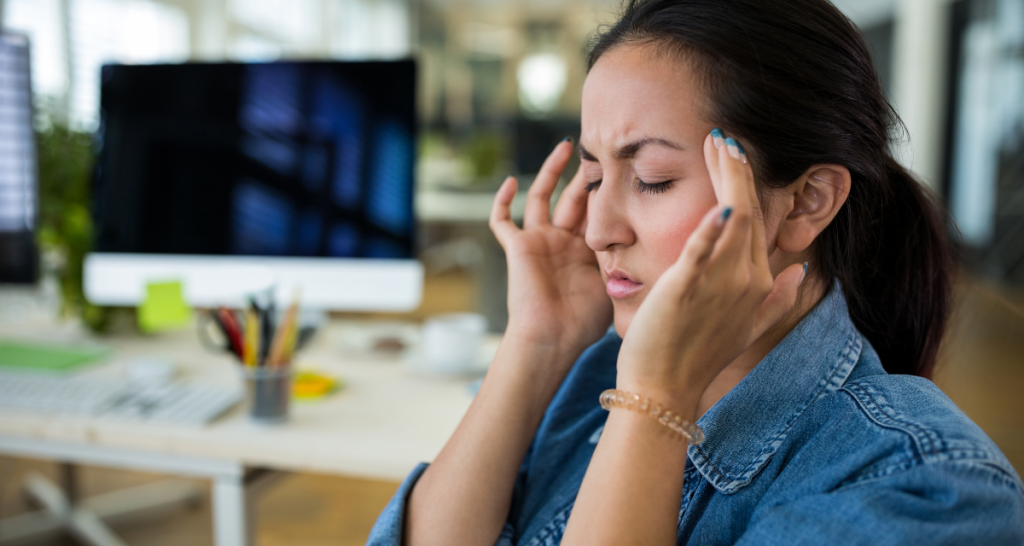
How to Determine if It’s a Headache or a Migraine
What is a headache?
According to Healthline, a headache is a common type of pain that occurs on both sides of the head. Some headaches can affect specific areas such as the forehead, temples, or the back of the neck, and can last from five minutes to four hours.The pressure can make your head feel tight or sore.
Here are the different types of headaches according to the World Health Organization (WHO):
- Tension-type headache is the most common type of headache. It is often described as a dull, aching pain around the head that is triggered by muscle tension, eye strain, stress, or anxiety.
- Cluster headache is a very painful type of headache that affects up to 0.1% of the population. The pain is often felt on one side of the head and occurs in patterns. Cluster headache is more common among males and those aged 20 to 49 years.
- Sinus headache is often mistaken for a migraine. Symptoms can include fever, cough, stuffy nose, congestion, and facial pressure.
What is a migraine?
A migraine is defined by the Mayo Clinic as a headache that usually affects one side of the head, causing intense throbbing pain. Migraine attacks can last for four to 72 hours and could interfere with daily activities. A bad migraine attack can extend for several days.
Migraines can affect children, teenagers, and adults. It can occur in four stages, namely:
- Prodrome – A day or two before a migraine, you might experience mood changes, food cravings, constipation, stiffness of the neck, frequent urination, frequent yawning, or fluid retention.
- Aura – Also known as a warning symptom, an aura can be in the form of light flashes, vision loss, tingling in the arm or leg, or speech difficulties.
- Attack – During a migraine attack, you can experience throbbing or pulsating pain on one side or both sides of your head. It can be accompanied by other symptoms like nausea, vomiting, and sensitivity to light and sound, and in some cases, smell and touch.
- Postdrome – It is common to feel drained after a migraine attack.
Take note that not all migraine sufferers go through these stages.
How To Stay One Step Ahead of Migraines
Mayo Clinic shares the following lifestyle adjustments to help reduce the frequency and severity of migraine attacks:
- Avoid certain food items and substances that could trigger an attack, such as cheese, chocolate, food with too much MSG, processed meat, alcohol, and caffeine.
- Include more fruits, vegetables, and foods with higher levels of omega-3 fatty acids (e.g., fish and shellfish) in your diet, which can reduce the frequency of headaches.
- Maintain a consistent meal schedule, avoid skipping meals, and drink plenty of water.
- Exercise regularly to help maintain a healthy weight. Choose physical activities that you enjoy doing to help the body release “feel-good” chemicals that can lower anxiety and depression.
- Manage stress by simplifying your life, taking a break, staying positive, and engaging in relaxation techniques.
When to See a Doctor
Migraines are often dismissed as ordinary headaches, causing many people to miss out on proper treatment. If you frequently experience migraine symptoms, it might help to keep a record of your episodes, including dates, duration, possible triggers, and the remedies you have taken. Then consult a healthcare professional and share this information to get an appropriate treatment plan.
For convenient access to safe, affordable, and FDA-approved medicines in the Philippines, visit VidaCure Pharmacy, a PhilHealth Gamot-accredited pharmacy. We support patients in staying on track with their treatment plans and overall wellness goals.
Bottomline
A migraine is not just your typical headache. It can cause intense, pulsating pain that may be accompanied by nausea, vomiting, visual disturbances, and sensitivity to light and sound. By understanding the difference between a migraine and a regular headache, you can seek the right treatment to reduce the frequency and intensity of an attack. Early diagnosis and treatment can lessen the impact of migraines and improve the quality of life.
FREQUENTLY ASKED QUESTIONS
1. How will I know if I have a migraine or a regular headache?
A regular headache often causes mild to moderate pain and can affect both sides of the head. A migraine involves throbbing or pulsating pain, usually on one side of the head, and can be accompanied by other symptoms.
2. What triggers migraines?
Common triggers include certain foods and drinks like processed meat, alcohol, and caffeine.
3. How long does a migraine last?
A migraine attack can last anywhere from 4 to 72 hours if left untreated.
4. Can migraines be prevented?
While migraines cannot always be prevented, healthy habits such as eating meals regularly, not skipping meals, staying hydrated, getting enough sleep, and managing stress can help reduce the frequency and intensity of attacks.
5. Are migraines common among Filipinos?
Yes. According to the Philippine Headache Society 12 million Filipinos experience migraines.