
More Than Just Dry Skin: The Truth About Eczema
For years, red, itchy skin rashes have been dismissed as “just dry skin” or a minor reaction to heat, soap, or stress. A little itching here, a small patch of redness there, is nothing to worry about, many assume. But when the itching keeps you awake at night, when the irritation returns again and again, and when simple moisturizers no longer seem enough, it may be more than ordinary dryness. It may be eczema.
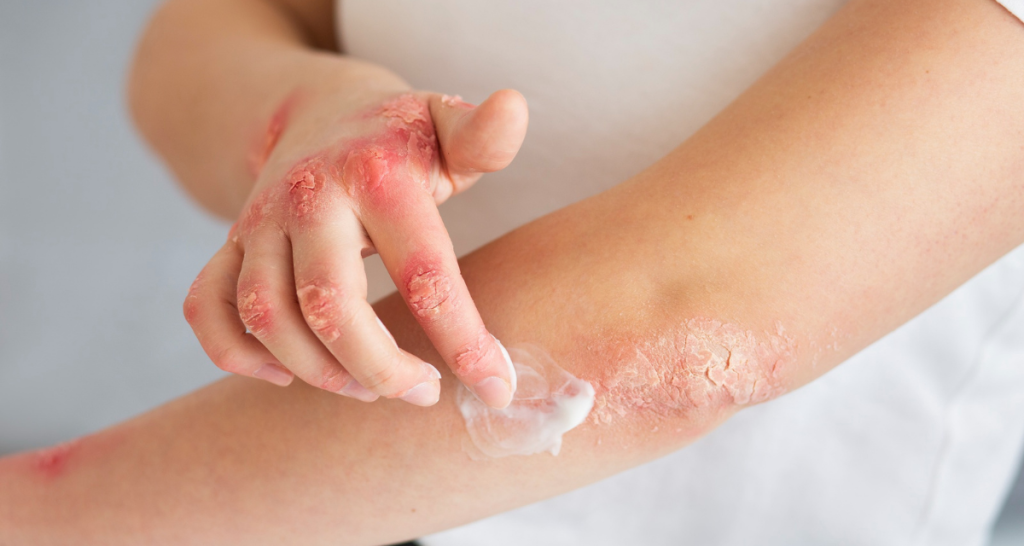
Small patches of rough, irritated skin can quickly become persistent inflammation. Intense itching may disrupt daily activities, concentration, and sleep. Millions of children and adults around the world live with this condition, making it one of the most common chronic skin disorders today.
Medically known as atopic dermatitis, eczema is far more than a cosmetic concern. It is a long-term inflammatory disease that weakens the skin’s protective barrier, leaving it vulnerable to irritants, allergens, and infections. Although it is not contagious, health experts state that eczema requires proper awareness, early recognition, and consistent management to prevent painful flare-ups and long-term complications.
What Do We Need to Know About Eczema
Understanding eczema requires looking at reliable medical evidence and expert guidance. Health organizations emphasize that eczema is more than just dry skin. It is a chronic inflammatory condition that needs proper care and management.
1. Eczema Is a Chronic Inflammatory Condition
The most common type of eczema is atopic dermatitis, a long-term condition that causes inflammation, redness, and intense itching. According to the National Institutes of Health (NIH), eczema is one of the most common non-communicable skin diseases worldwide, affecting both children and adults. The Mayo Clinic notes that eczema often begins before the age of five and can continue into the teenage and adult years.
2. It Is Not Contagious
Eczema cannot be spread through touch or physical contact. The American Academy of Dermatology (AAD) explains that eczema develops due to a combination of genetic factors and immune system dysfunction, not because of bacteria or viruses that can be passed from person to person.
3. The Immune System and Skin Barrier Are Involved
Research shows that eczema is linked to an overactive immune response that causes inflammation in the skin. The National Institute of Allergy and Infectious Diseases (NIAID) states that people with eczema often have a weakened skin barrier, making their skin more sensitive to irritants, allergens, and environmental triggers.
4. Common Symptoms
According to the Cleveland Clinic, common symptoms of eczema include:
- Dry and itchy skin
- Skin rash
- Bumps on your skin
- Thick, leathery patches of skin
- Flaky, scaly, or crusty skin
- Swelling
Persistent scratching can lead to skin infections and further complications.
5. Common Eczema Triggers
The Asthma and Allergy Foundation of America emphasises that flare-ups can be triggered by environmental and lifestyle factors such as soaps, lotions, irritants like fragrances, changes in temperature, stress, and allergens. Identifying personal triggers is an important part of managing the disease.
6. There Is No Cure, but It Is Manageable
While there is currently no cure for eczema, health authorities agree that it can be effectively managed. Treatment options include regular use of moisturizers, prescription topical corticosteroids, antihistamines, and in more severe cases, phototherapy or systemic medications. Early diagnosis and consistent treatment significantly reduce flare-ups and improve quality of life.
Bottomline
Eczema is a chronic but manageable skin condition supported by extensive medical research and public health data. Understanding its causes, symptoms, and treatment options as highlighted by global health organizations empowers individuals to take control of their skin health and prevent complications.
If you suspect eczema, consult a dermatologist at the Care Center Clinic to get a proper diagnosis. You can also conveniently avail prescribed medicines at VidaCure Pharmacy for complete and hassle-free care.
FREQUENTLY ASKED QUESTIONS
1. What is eczema?
Eczema, or atopic dermatitis,with a chronic inflammatory skin condition causing redness, itching, and irritation.
2. Is eczema contagious?
No. Eczema cannot be spread through touch or physical contact. It develops due to genetic factors and immune system issues, not germs.
3. What are common symptoms of eczema?
Symptoms include dry, itchy skin, rashes, bumps, thick patches, flakiness, and swelling.
4. What triggers eczema flare-ups?
Flare-ups can be triggered by soaps, fragrances, stress, temperature changes, and allergens. Identifying triggers helps manage the condition.
5. Can eczema be treated or cured?
There’s no cure, but eczema is manageable with moisturizers, topical treatments, antihistamines, and in severe cases, phototherapy or systemic medications.