
Achoo No More! Simple Ways to Avoid Holiday Allergies
The holiday season often paints a picture of warmth and connection, yet it brings seasonal discomforts. Behind the twinkling lights, laughter, and family feasts, many people find themselves dealing with sniffles, sneezing, itchy eyes, and other bothersome symptoms. The shift to cooler temperatures and unpredictable weather in December can weaken the immune system, making the body more susceptible to allergies.
One of the most common allergies experienced during the holidays is allergic rhinitis, also known as hay fever.
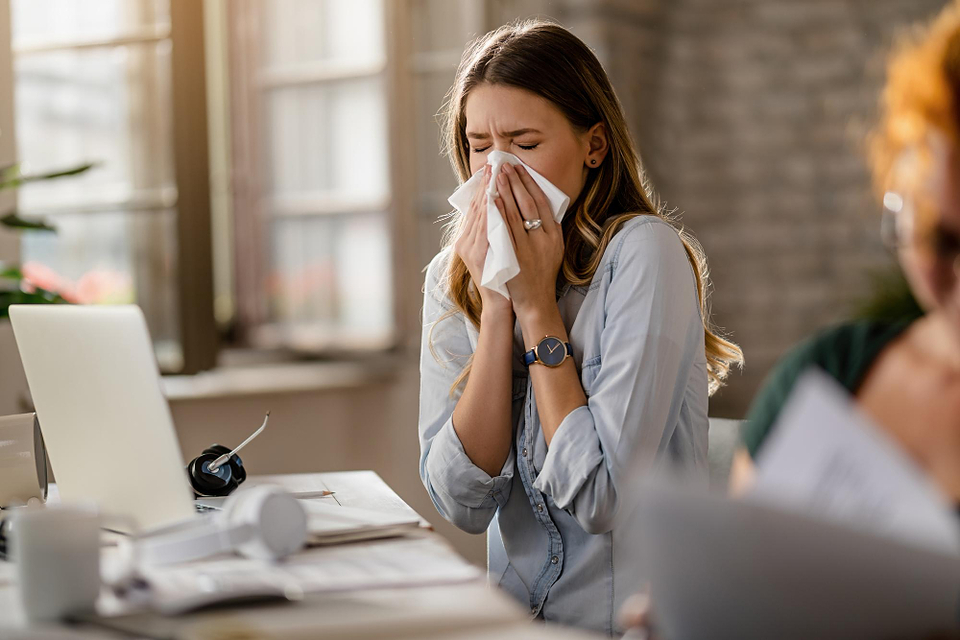
When you have allergic rhinitis, it feels like you’re coming down with a cold. According to the Mayo Clinic, symptoms often include:
- Runny or stuffy nose
- Itchy or watery eyes
- Frequent sneezing
- Pressure around the sinuses
- Postnasal drip – Mucus drains down the back of the throat, causing a sore throat or a cough
- Allergic shiners – Dark, swollen circles under the eyes caused by nasal congestion
- Fatigue/Tiredness – Due to restless or interrupted sleep
What triggers holiday allergies in the Philippines?
1. Indoor Dust and Mold
Getting your home ready for holiday gatherings often means opening boxes of Christmas decor that have been stored for months. These items can collect dust mites, mold spores, and other allergens that easily trigger reactions, especially in sensitive individuals. Even glittery decorations and strongly scented ornaments can irritate the sinuses. Holiday cleaning can also set off allergies because sweeping, vacuuming, and moving furniture stir up settled dust and mold particles, sending them back into the air where they’re easily inhaled.
2. Pollen
In the Philippines, grass pollen is known to be the most common allergen circulating in the air. The concentration of pollen in the atmosphere varies depending on the location. For example, a study shows that pollen levels typically peak during November, December, and January in Quezon City.
3. Pet Dander
Holiday get-togethers may involve visiting homes with pets. Even if you’re not usually around animals, a couple of hours indoors can be enough to trigger sneezing, stuffiness, or itchy skin. Pet dander tends to stick to couches, carpets, and even clothes, so it can be tricky to escape once it’s in the air.
How to manage holiday allergies?
1. Clean Decorations
Before putting up holiday decorations, give everything a quick refresh. Wipe surfaces with a damp cloth, and if possible, unbox items outdoors to prevent scattering dust inside your home. For artificial trees and garlands, give them a good shake or rinse to reduce dust buildup. It’s advisable to wear a mask while cleaning and unpacking decorations to minimize irritation and reduce allergy flare-ups.
2. Control Indoor Dust
To minimize allergy triggers, vacuum carpets, rugs, and upholstery using a HEPA-filter vacuum, which captures finer particles more effectively. Wash curtains, linens, and other fabrics that trap dust. Consider using an air purifier to keep allergen levels down.
3. Bathe and Brush Pets Regularly
If you’re hosting, prepare your home by grooming pets ahead of time to reduce loose fur and dander. Keep them out of bedrooms and guest areas at least a few days before the gathering to minimize allergen buildup on beddings and furnishings.
If you’re allergic to pet dander and will be visiting a home with pets, taking an antihistamine before you arrive can help keep symptoms under control. You can easily get your antihistamines from VidaCure Pharmacy, so you’re prepared before the gathering.
4. Stock Up on Allergy Essentials
Antihistamines, nasal sprays, eye drops, and saline rinses can significantly ease symptoms. You can conveniently find these at VidaCure, a trusted PhilHealth GAMOT-accredited pharmacy in Alabang and Quezon City. Our pharmacists can guide you about allergy medications to keep you feeling your best this holiday season. Visit your nearest VidaCure for trusted, everyday health support.
Final Thoughts
Holiday celebrations are meant to be a time well spent with loved ones. But for many Filipinos, the season also brings a wave of allergy triggers—from dusty decorations and mold exposure to pollen and pet dander. These may seem minor at first, yet they can disrupt your plans with sniffles, congestion, itchy eyes, and overall discomfort.
As the holidays fill your calendar with reunions and parties, remember that taking care of your health makes every celebration more enjoyable. Simple steps, such as cleaning decor, keeping indoor dust under control, and preparing for exposure to pets, can make a significant difference. Having the right medications on hand also ensures that you’re ready whenever symptoms strike.
FREQUENTLY ASKED QUESTIONS
1. Why do allergies get worse during the holiday season?
Holiday allergies often spike due to increased exposure to dust, mold from stored decorations, pet dander during gatherings, and seasonal pollen. Cooler weather and shifting temperatures can also weaken the immune system, triggering allergic reactions.
2. What can I do to reduce allergy flare-ups while decorating?
Clean ornaments, artificial trees, and garlands before displaying them. Unbox items outdoors if possible, and wear a mask while cleaning to avoid inhaling dust and mold particles.
3. Can indoor dust affect holiday allergy symptoms?
Yes. Dust settles on furniture, carpets, curtains, and linens. Sweeping, vacuuming, and rearranging furniture can send dust back into the air. Opt for a HEPA-filter vacuum or use an air purifier to help reduce exposure.
4. Why do pet allergies worsen during get-togethers?
Pet dander sticks to surfaces like couches, carpets, and clothing. Even brief exposure can trigger symptoms for sensitive individuals. Grooming pets and limiting their access to guest areas can help minimize reactions.
5. Are pollen allergies common in December in the Philippines?
Yes. Grass pollen levels are often high from November to January in places like Quezon City.