
World Diabetes Day 2025: A Sweet Reminder for Filipinos to Live Healthier
From puto and bibingka to halo-halo and leche flan, Filipinos have an undeniable sweet tooth. Add to that our love for donuts, milk tea, and chocolates—and it’s no surprise that sugar has become a daily part of life.
But while there’s nothing wrong with treating ourselves once in a while, too much sugar can take a serious toll on our health. This World Diabetes Day, VidaCure Pharmacy reminds everyone to take control—know the risks, make smarter food choices, and take steps to prevent diabetes before it starts.
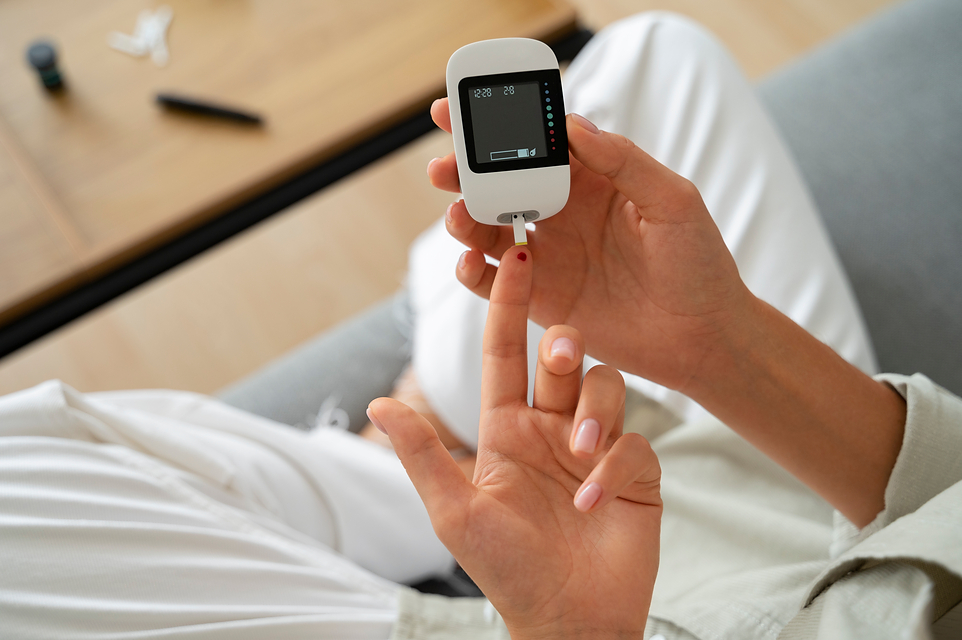
Understanding Diabetes: Filipinos at Risk
According to the World Health Organization (WHO), Type 2 diabetes, which is the most common kind, develops when the body fails to produce sufficient insulin, or can’t properly use it the way it should. Insulin is a hormone that helps control the amount of sugar in the blood.
Common symptoms of diabetes include:
- Feeling unusually thirsty
- Frequent urination, even at night
- Blurred or unclear vision
- Constant tiredness or lack of energy
- Unexplained weight loss
If you observe any of these symptoms, VidaCure, a Philhealth GAMOT accredited pharmacy, highly recommends consulting a health professional. Diabetes can often go unnoticed for years because its signs may seem mild or easily dismissed.
When diabetes isn’t properly managed, blood sugar levels can rise too high—a condition known as hyperglycemia. Over time, this chronic disease can cause serious damage to different parts of the body, especially the nerves and blood vessels.
In the Philippines, diabetes continues to be a growing health concern. The Department of Health’s (DOH) Field Health Services Information System (FHSIS, 2024) data shows that about 656,000 Filipinos have been diagnosed with diabetes. But what’s more concerning is that this number likely represents only part of the picture. Sadly, many Filipinos may already have diabetes without even knowing it.
If left unaddressed, diabetes rates in the Philippines could keep rising in the coming years. But the good news is that awareness, early screening, and lifestyle adjustments can make a huge difference in reducing the risk.
Small Changes, Big Impact: How to Prevent Diabetes
1. Know your risk and get screened.
The first important step is to get tested—especially if you have a family history of diabetes, are overweight, and lead a sedentary lifestyle. Visit the Care Center Clinic and consult a physician for a proper assessment.
A quick fasting blood sugar test or HbA1c screening may be recommended to help detect early signs even before symptoms appear. Early detection means you can act fast and make changes before complications set in.
2. Make smart food choices.
What we eat every day has a big impact on our health—especially when it comes to preventing diabetes. Making smart food choices doesn’t mean giving up the food you love—it’s about learning balance and moderation. Here are some tips to consider:
- Control your portion sizes by using smaller plates. It can be as simple as adjusting your rice serving. Instead of filling half your plate with rice, try cutting it down to one cup and adding more vegetables or grilled fish. If you love sweets, you don’t have to give them up completely—just enjoy them in smaller amounts. For example, instead of finishing a whole slice of leche flan, you can just have a few spoonfuls to satisfy your craving.
- Pick good fats. Go for healthier fats like olive oil, avocado, and nuts instead of fried or greasy food.
- Select better carbs. Opt for whole grains, fruits, and vegetables over white rice, white bread, and sugary snacks.
- Read food labels. Before adding that snack or drink to your cart, take a moment to read the label. Check the serving size and how much sugar, fat, and sodium it contains. Getting into this habit helps you make smarter, more mindful choices.
3. Stay active and keep moving.
You don’t need expensive gym membership or fancy equipment to stay fit — what matters is getting your body moving! Aim for at least 30 minutes of physical activity most days of the week. It can be as simple as walking around your neighborhood, dancing to your favorite OPM hits, or doing household chores that get your heart pumping.
4. Prioritize quality sleep.
Studies show that your sleeping habits can have an impact on how your body uses insulin. When you don’t get enough rest, it can throw off your blood sugar levels and make it harder for your body to manage glucose properly. More studies also reveal that people who sleep less than six hours are prone to irregular eating habits and frequent snacking. Over time, these habits can cause your blood sugar to spike. Aiming for seven to eight hours of quality sleep each night will help your body use insulin more efficiently.
5. Help raise diabetes awareness.
Prevention starts with awareness. Talk about diabetes with your family and friends, especially if it runs in your family. Sometimes, a simple reminder or shared story can inspire others to take their health more seriously.
Final Thoughts
Diabetes may be a growing concern in the Philippines, but it can be prevented. You can lower the risk of Type 2 diabetes by getting screened, eating mindfully, staying active, getting quality sleep, and spreading awareness.
At VidaCure, we believe that everyday choices lead to lasting wellness. We’re here to support your journey to better health—from early screening and trusted medication to helpful advice and care you can count on.